

Evidence-Based Fascial Therapy
Level 1: From Science to Clinical Practice
Level 2: Advanced Clinical Integration
This comprehensive program is meticulously designed for physiotherapists who seek to profoundly deepen their understanding of the fascial system. It aims to refine their clinical skills through advanced assessment and treatment methodologies, specifically focusing on deep fascial restrictions. Building upon foundational knowledge, this course integrates contemporary fascia research with practical clinical application, preparing practitioners for complex patient presentations.
Course Overview
The Evidence-Based Fascial Therapy program, now enhanced with an Advanced Clinical Integration module, represents a natural progression from its foundational Level 1.
While Level 1 primarily focuses on the assessment and treatment of superficial fascial structures and the development of fundamental clinical skills, this advanced Level 2 introduces participants to the intricate evaluation and sophisticated management of the deep fascial system.
The program emphasizes an integrative and holistic clinical approach, aiming to develop high-level reasoning and practical skills essential for assessing and treating a wide spectrum of soft tissue dysfunctions. Through intensive hands-on technique application and rigorous clinical problem-solving, this course addresses the critical clinical questions of Why, When, and How to effectively perform advanced fascial assessment and management.
Course Objectives
Upon the successful completion of this comprehensive program, participants will be proficient in a range of advanced clinical competencies:
- Objective Palpation: Accurately identify fascial restrictions across cervical, thoracic, lumbopelvic, and limb regions, building on Level 1 foundational skills.
- Evidence-Based Manual Techniques: Apply advanced manual techniques, grounded in scientific evidence, to effectively treat fascial dysfunctions in a minimum of 15 key muscular and fascial structures.
- Clinical Reasoning: Enhance clinical reasoning skills to seamlessly integrate complex fascial assessment findings into highly individualized, patient-specific treatment plans.
- Safe Application: Demonstrate the safe and ethical application of advanced fascial therapy techniques, coupled with a thorough recognition of contraindications and critical red flags.
- Deep Fascial Assessment: Master advanced assessment protocols specifically designed for the deep fascial system, including subtle palpatory perceptions to identify restrictions and compensatory patterns.
- Functional & Indirect Techniques: Implement sophisticated functional and indirect fascial treatment techniques, such as fascial balancing, unwinding techniques, and functional positioning methods, to harness tissue adaptability and self-corrective mechanisms.
- Integrated Clinical Practice: Integrate a profound understanding of fascial anatomy, biomechanics, and neurophysiology into daily clinical practice, recognizing the body as a connected fascial network.
- Compensatory Pattern Recognition: Develop the ability to recognize and interpret complex compensatory patterns within the global fascial network, linking distant body regions.
- Complex Patient Presentations: Apply advanced clinical reasoning frameworks to effectively manage complex dysfunction patterns, persistent musculoskeletal conditions, and multi-regional presentations frequently encountered in specialized clinical practice.
Course Content & Learning Objectives
This program is structured to enable participants to master evidence-based soft tissue assessment and management approaches, cultivate advanced clinical reasoning skills, and integrate manual therapy with exercise strategies for immediate and impactful clinical application.
Level 1
From Science to Clinical Practice
This foundational module establishes the scientific basis and fundamental practical skills for fascial therapy.
This mandatory online component covers the essential theoretical underpinnings, including a detailed exploration of fascial system definition, anatomy, and physiology. It delves into biotensegrity and neurofascial models, reviews the scientific evidence supporting fascial therapy, and outlines crucial safety protocols and clinical red flags.
Trunk & Spine
Practical sessions focus on the assessment and treatment of fascial structures within the trunk and spine. This includes the cervical region (SCM, scalenes, suboccipitals, trapezius fascia), thoracic region (superficial thoracic fascia, pectoral fascia, diaphragm), and lumbopelvic region (quadratus lumborum, psoas, gluteal fascia).
Limbs
This day is dedicated to the fascial systems of the limbs, covering the upper limb (rotator cuff, epicondylar groups, forearm and hand fascia) and lower limb (pelvitrochanteric muscles, IT band, quadriceps, ankle-foot complex). Clinical integration with real case studies ensures practical application of learned techniques.
Level 2
Advanced Clinical Integration – Functional and Indirect Techniques
This advanced module builds upon Level 1, focusing on the deep fascial system and sophisticated treatment approaches.
Cranial, Cervical, Thoracic and Lumbopelvic Regions
This intensive day covers deep fascial assessment and treatment of the craniofacial region, including functional evaluation of fascial influences on temporomandibular and cervical mechanics. Participants will learn advanced assessment and treatment of the deep cervical fascia and hyoid musculature, alongside sophisticated management of thoracic and thoracolumbar fascial restrictions. A key focus is the functional assessment of the cervico-thoracic, abdominal, and pelvic diaphragms, and the integration of fascial relationships affecting posture, respiration, and visceral function.
Upper and Lower Limbs
The second day delves into the assessment and treatment of deep fascial restrictions in the upper limb, with functional approaches to the shoulder, arm, forearm, and interosseous membrane. It includes the application of unwinding techniques for fascial release and movement restoration. The module also covers the assessment and treatment of deep fascial chains in the lower limb, incorporating cross-hand and indirect fascial techniques, and functional treatment of the plantar fascia and lower-limb fascial continuities.
Clinical Integration
A paramount emphasis is placed on the seamless translation of theoretical knowledge into practical clinical application. Throughout the program, each anatomical region and technique will be thoroughly explored through diverse clinical scenarios. This approach empowers participants to significantly enhance their diagnostic reasoning capabilities and develop highly effective treatment strategies directly applicable to their daily practice. Furthermore, real clinical cases will be meticulously presented and discussed, fostering an environment where attendees can integrate complex palpatory findings with nuanced symptom presentations, detailed movement analysis, and patient-centered clinical decision-making processes.
Who Should Attend
- Licensed Healthcare Practitioners: Specifically, physiotherapists and osteopaths are ideal candidates.
- Physiotherapist Internship Students: Students actively engaged in their physiotherapy internships are welcome to gain advanced insights.
Course Requirements
- Online Theoretical Module: Complete the mandatory 3-hour online theoretical module prior to attending the practical sessions (specifically for Level 1 content).
- Practical Session Attendance: Attend all practical sessions, which include 2 days for Level 1 and 2 intensive practical days for Level 2, ensuring full engagement with hands-on learning.
- Hands-on Practical Assessments: Actively participate in and successfully complete all hands-on practical assessments, demonstrating proficiency in learned techniques.
- Case Study Discussions: Engage actively and contribute meaningfully to all case study discussions, fostering collaborative learning and critical thinking.
Teaching Methodology
Supervised Hands-on Practice
Extensive supervised hands-on practice sessions allow participants to refine their skills under expert guidance.
Clinical Case Discussions
Engaging clinical case discussions foster critical thinking and the application of learned concepts to real-world scenarios.
Evidence-Based Theoretical Reviews
Concise reviews of current evidence-based theoretical concepts provide the scientific foundation for practical application
Advanced Manual Technique Demonstration
Expert instructors will provide clear and detailed demonstrations of advanced manual techniques.
Tutor
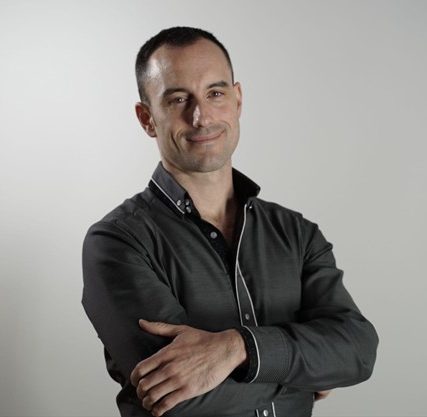
Enrique Gilsanz Cáceres
professor at FBEO (Spain, Mexico, Brazil), AIFROMM (Italy), and Still Academy of Osteopathy (Poland)
Enrique Gilsanz Cáceres is a Spanish osteopath (Eur Ost D.O mROE), physiotherapist, and nurse with an official Master’s degree in Biomechanics.
He is professor at FBEO (Spain, Mexico, Brazil), AIFROMM (Italy), and Still Academy of Osteopathy (Poland), and teaches in the Master’s in Maxillofacial Rehabilitation at UniCamillus University in Rome. He has also taught in the Physiotherapy Degree program at Comillas University and European University in Madrid.He is co-founder, scientific director, and lecturer of the clinical dissection training program at www.dissezionecadaverica.it.
He has a private clinical practice in Madrid with over 19 years of experience and has been a speaker at several international conferences.
He is also a member of the Parietal Group Research of OsEAN