

Kinetic Control
Become a Kinetic Control Movement Therapist (KCMT)
Move beyond symptom management. Learn a world-class, evidence-based framework to identify and retrain uncontrolled movement, delivering lasting results for your patients.
Many physiotherapists encounter patients who experience recurring pain or whose movement dysfunction persists despite conventional treatments. This often stems from an incomplete understanding of the underlying motor control impairments. Traditional approaches frequently focus on symptoms, overlooking the root cause of movement inefficiency.
Kinetic Control Solution
The Kinetic Control program offers a transformative solution by providing a systematic model for clinical reasoning that empowers practitioners to pinpoint and address the *source* of the problem, rather than merely treating the site of pain.
Global KCMT Recognition
Elevate your professional standing with an internationally recognized accreditation.
Becoming a KCMT signifies mastery in movement assessment and retraining, opening doors to a global network of expertise.
This is not merely a certificate of attendance; it is a pathway to becoming an accredited specialist in a globally respected methodology, enhancing your credibility and career opportunities.
Master the Root Cause
This course equips you with a systematic framework to identify and address the underlying movement impairments that lead to pain and recurrence, ensuring more effective and lasting patient outcomes.
Unlike many approaches that treat symptoms, Kinetic Control empowers you to diagnose and correct the *source* of the problem, fostering long-term patient well-being.
Evidence-Based Framework
Gain a clear, actionable system that seamlessly links Assessment → Clinical Reasoning → Targeted Retraining → Recurrence Prevention.
This framework eliminates guesswork, allowing you to confidently select tests, interpret findings, and design highly effective, individualized treatment programs. It provides a rigorous, research-backed methodology that integrates assessment and treatment, ensuring clinical decisions are precise and impactful.
Block 1: Low Back & Hip
This block focuses on the intricate relationship between the low back, hip, and pelvis, equipping you with advanced assessment and retraining strategies for this critical region.
- Co-ordination Efficiency
- Targeting Muscle Synergies
- Multi-Joint Synergies
- Beyond Global Movement Control
Key Learning:
- Develop skills to successfully use clinical tools and a movement-focused framework to change the mechanisms of movement impairment associated with the low back and hip.
- Achieve better outcomes in respect of recurrence and long-term health.
- Supply a targeted movement retraining intervention allowing clinicians to be increasingly time-efficient in addressing their patients’ impairments.
- Develop abilities to change the building blocks of more complex movement patterns.
- Evaluate and diagnose movement and identify client-specific movement impairments.
- Deliver targeted movement retraining to alter the key mechanisms associated with patients’ low back and hip pain or dysfunction.
- Operate within a structured clinical reasoning framework to help patients achieve their outcomes.
- Apply practical interventions derived from contemporary research underpinning the principles of movement evaluation and retraining decision-making.
Key Learning:
- Enhance ability to assess and retrain muscle synergies associated with pain, pathology, and compromised function of the low back and hip.
- Develop clinicians’ cueing and facilitation skillset to positively impact movement impairments attributable to altered muscle synergies.
- Supply clinical skills to give patients strategies to reduce recurrence and maintain function.
- Demonstrate the skills allowing them to change patients’ movement through the assessment and retraining of muscle synergies.
- Relate muscle synergy recruitment patterns to pain, recurrence, and compromised function.
- Demonstrate an ability to assess muscle synergy efficiency.
- Demonstrate an ability to retrain muscle synergy efficiency.
- Demonstrate the ability to assess for loss of extensibility and aberrant recruitment substitutions of dominant synergists.
- Display options for movement retraining in addition to acquiring the ability to match the level of retraining to your patient’s abilities and goals.
- Operate within a structured clinical reasoning framework to help patients achieve their outcomes.
Key Learning:
- Enhance ability to assess muscle function through observation of patients’ movement patterns during functional tasks related to the low back and hip.
- Develop clinicians’ teaching and cueing skillset of their patients’ movement patterns to influence muscle function associated with pain, pathology, and compromised function in the low back and hip.
- Combine classic and contemporary evaluation methods with Kinetic Control’s world-renowned and innovative movement assessment and retraining.
- Display an understanding of the relationship between movement patterns, postural alignment, and muscle synergies in functional tasks of the low back and hip.
- Demonstrate the ability to apply a muscle synergy classification model to multi-joint movement challenges in the low back and hip.
- Demonstrate the ability to assess the efficiency of alignment and movement patterns so as to reduce pain, the impact of pathology, and improve function in the low back and hip.
- Display an ability to classify individuals into relevant alignment and movement pattern subgroups for the low back and the hip.
- Display an ability to deliver movement intervention strategies to minimize the negative causes or consequences of alignment change and inefficient movement patterns in the low back and hip.
- Identify how assessment, analysis, and retraining of alignment and movement patterns can be integrated into their clinical practice for low back and hip conditions.
- Display a good understanding of why movement matters to postural alignment and recruitment synergies in functional tasks related to the low back and hip.
Key Learning:
- Identify individuals whose low back and hip symptoms respond to local role synergist retraining, improving clinical decision-making processes regarding intervention timing.
- Apply targeted retraining interventions for the low back and hip, allowing clinicians to be increasingly time-efficient in addressing patients’ recurrence risk.
- Gain clinical reasoning and skillset to manage the complexities of deficits within local stabilizer muscle synergists of the low back and hip.
- Develop skills to successfully use clinical tools and a movement-focused framework to change the mechanisms of movement impairment associated with local stabilizer role synergists in the low back and hip.
- Integrate translation control retraining alongside other movement interventions for the low back and hip.
- Demonstrate the ability to assess and retrain impairments in the local stabilizer role system related to a patient’s risk of recurrence in the low back and hip.
- Employ a clinical reasoning framework to identify which low back and hip patients require this approach and when.
- Demonstrate enhanced skills of cueing and recruitment facilitation for low back and hip movements.
- Critically appraise the current employment of local stabilizer role synergist assessment and retraining for the low back and hip in light of current evidence.
Block : Neck & Shoulder
This block focuses on apply the principles of coordination efficiency to the cervical spine and shoulder girdle. Understand how precise motor control in these areas is vital for upper limb function and pain prevention.
- Co-ordination Efficiency
- Targeting Muscle Synergies
- Multi-Joint Synergies
- Beyond Global Movement Control
Key Learning:
- Develop skills to successfully use clinical tools and a movement-focused framework to change the mechanisms of movement impairment associated with the low back and hip.
- Achieve better outcomes in respect of recurrence and long-term health.
- Supply a targeted movement retraining intervention allowing clinicians to be increasingly time-efficient in addressing their patients’ impairments.
- Develop abilities to change the building blocks of more complex movement patterns.
- Evaluate and diagnose movement and identify client-specific movement impairments.
- Deliver targeted movement retraining to alter the key mechanisms associated with patients’ low back and hip pain or dysfunction.
- Operate within a structured clinical reasoning framework to help patients achieve their outcomes.
- Apply practical interventions derived from contemporary research underpinning the principles of movement evaluation and retraining decision-making.
Key Learning:
- Enhance ability to assess and retrain muscle synergies associated with pain, pathology, and compromised function of the low back and hip.
- Develop clinicians’ cueing and facilitation skillset to positively impact movement impairments attributable to altered muscle synergies.
- Supply clinical skills to give patients strategies to reduce recurrence and maintain function.
- Demonstrate the skills allowing them to change patients’ movement through the assessment and retraining of muscle synergies.
- Relate muscle synergy recruitment patterns to pain, recurrence, and compromised function.
- Demonstrate an ability to assess muscle synergy efficiency.
- Demonstrate an ability to retrain muscle synergy efficiency.
- Demonstrate the ability to assess for loss of extensibility and aberrant recruitment substitutions of dominant synergists.
- Display options for movement retraining in addition to acquiring the ability to match the level of retraining to your patient’s abilities and goals.
- Operate within a structured clinical reasoning framework to help patients achieve their outcomes.
Key Learning:
- Enhance ability to assess muscle function through observation of patients movement patterns during functional tasks related to the neck and shoulder.
- Develop clinicians teaching and cueing skillset of their patients movement patterns to influence muscle function associated with pain pathology and compromised function in the neck and shoulder.
- Combine classic and contemporary evaluation methods with Kinetic Controls world renowned and innovative movement assessment and retraining.
- Display an understanding of the relationship between movement patterns postural alignment and muscle synergies in functional tasks of the neck and shoulder.
- Demonstrate the ability to apply a muscle synergy classification model to multijoint movement challenges in the neck and shoulder.
- Demonstrate the ability to assess the efficiency of alignment and movement patterns to reduce pain the impact of pathology and improve function in the neck and shoulder.
- Display an ability to classify individuals into relevant alignment and movement pattern subgroups for the neck and shoulder.
- Display an ability to deliver movement intervention strategies to minimize the negative causes or consequences of alignment change and inefficient movement patterns in the neck and shoulder.
- Identify how assessment analysis and retraining of alignment and movement patterns can be integrated into clinical practice for neck and shoulder conditions.
- Display a good understanding of why movement matters to postural alignment and recruitment synergies in functional tasks related to the neck and shoulder.
Key Learning:
- Identify individuals whose neck and shoulder symptoms respond to local role synergist retraining, improving clinical decision-making processes regarding intervention timing.
- Apply targeted retraining interventions for the neck and shoulder, allowing clinicians to be increasingly time-efficient in addressing patients’ recurrence risk.
- Gain clinical reasoning and skillset to manage the complexities of deficits within local stabilizer muscle synergists of the neck and shoulder.
- Develop skills to successfully use clinical tools and a movement-focused framework to change the mechanisms of movement impairment associated with local stabilizer role synergists in the neck and shoulder.
- Integrate translation control retraining alongside other movement interventions for the neck and shoulder.
- Demonstrate the ability to assess and retrain impairments in the local stabilizer role system related to a patient’s risk of recurrence in the neck and shoulder.
- Employ a clinical reasoning framework to identify which neck and shoulder patients require this approach and when.
- Demonstrate enhanced skills of cueing and recruitment facilitation for neck and shoulder movements.
- Critically appraise the current employment of local stabilizer role synergist assessment and retraining for the neck and shoulder in light of current evidence.
Become a KCMT
Your Path to Global Recognition
Elevate your professional standing with an internationally recognized accreditation. Becoming a Kinetic Control Movement Therapist (KCMT) signifies mastery in movement assessment and retraining, opening doors to a global network of expertise. This is not merely a certificate of attendance; it is a pathway to becoming an accredited specialist in a globally respected methodology, enhancing your credibility and career opportunities.
Block 2: 18 – 21 July 2026
Registration Fee

Registration process
For inquiries & booking, please contact Primephysio office in Egypt
WhatsAppBlock 2: 8-10 May 2026
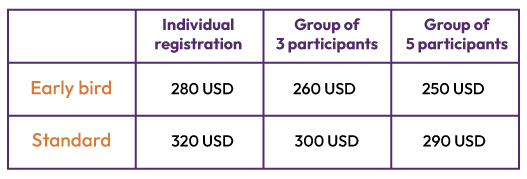
Registration Fee
Registration Process
- Submit the registration fee.”You can pay the equivalent amount in Turkish Lira (TRY) at the exchange rate of the day.”
- Payment link / Early bird – individual registration
- For group registration, contact office.
- Fill out the registration form.
- To confirm your registration, kindly send proof of payment via email or WhatsApp.
Block 2: 25-28 July 2026
Registration Fee
Registration process
For inquiries & booking, please contact Primephysio office in Egypt
WhatsAppBlock 2: 15-17 October 2026
Registration Fee

Registration Process
- Submit the registration fee
-
- OMTA members
- Individual registration
- For group registration, contact the office.
-
- Fill out this registration form.
- To confirm your registration, kindly send proof of payment via WhatsApp.
Join Kinetic control waiting list
Join Kinetic control waiting list