Dynamic Cupping Therapy

Dynamic Cupping Therapy - Primephysio

Gallery

Course content

  • Introduction to Cupping Therapy:
    • History and types of cupping therapy.
    • Benefits and mechanisms of action.
  • Research and Applications:
    • Critical appraisal of current research.
    • Emerging applications in sports conditions and pain management.
  • Practical Application:
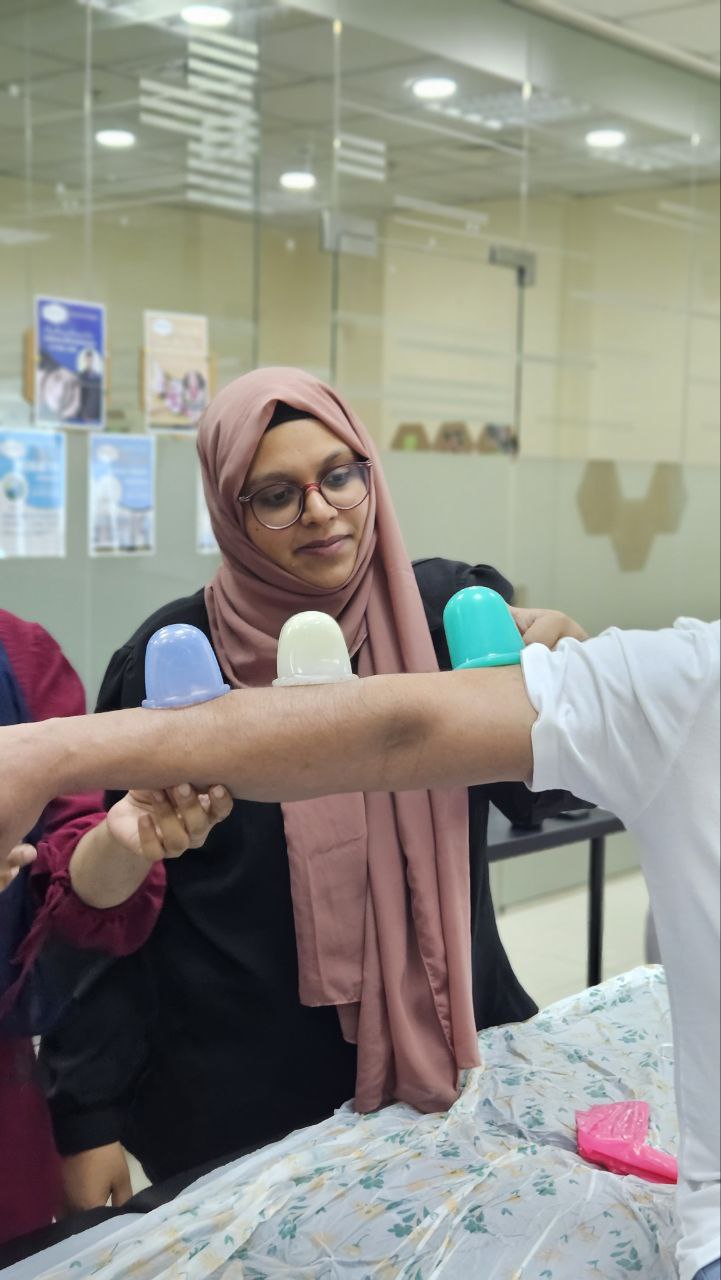
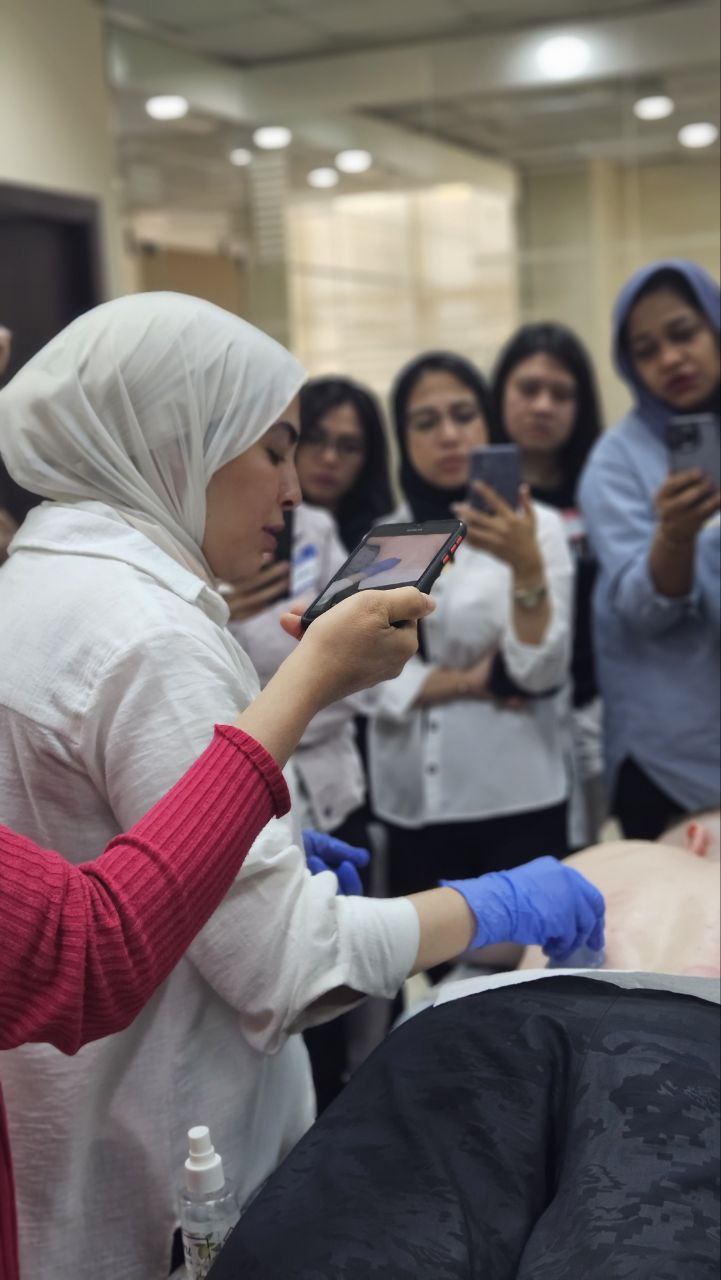
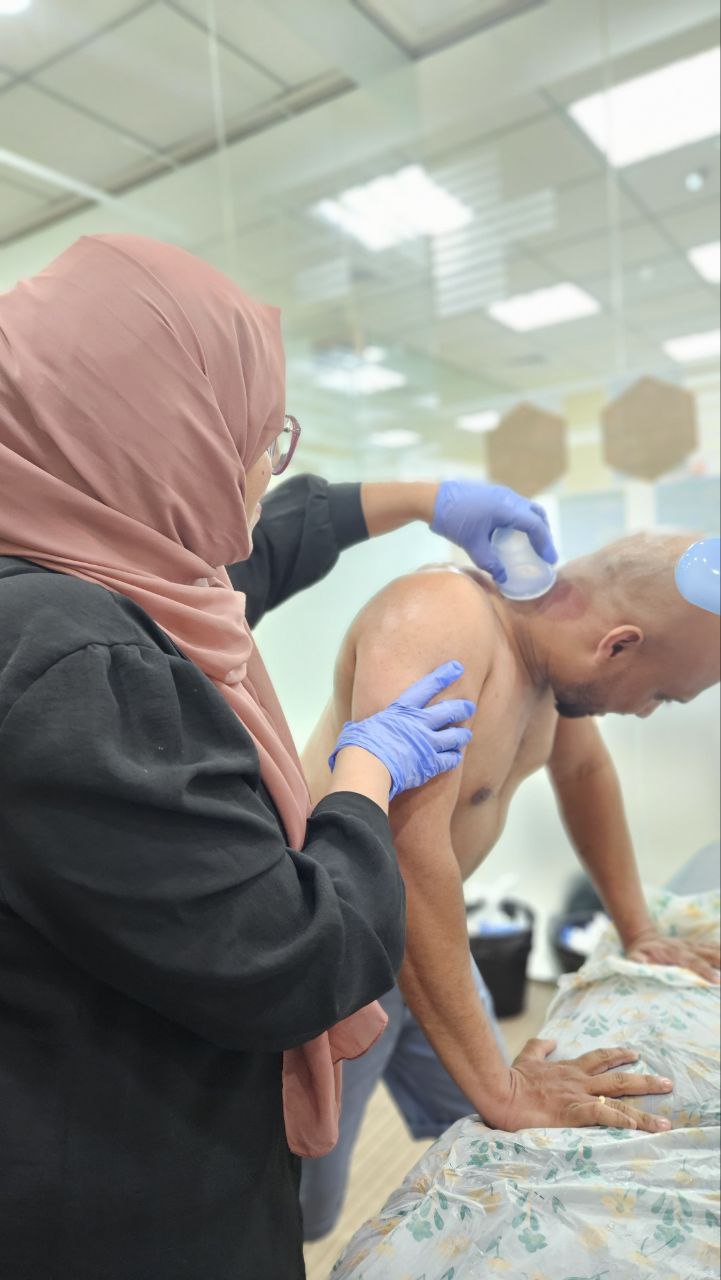
    • Hands-on training in modern cupping techniques.
    • Integration of clinical reasoning to guide treatment selection.
  • Case Studies:
    • Application of knowledge in real-life scenarios.

Learning  Objectives

  • Explore the theoretical knowledge of cupping therapy, including its history, types, benefits, and mechanisms of action.
  • Critically appraise current research on modern cupping therapy and its emerging applications in sports conditions and pain management.
  • Apply modern cupping techniques under supervision, enhancing practical skills through hands-on sessions.
  • Confirm their understanding and skills through case study presentations.

Prerequisites

Prior knowledge or skills in manual therapy (pre-reading articles attached). (link)

Who can attend:

  • Physiotherapists
  • Graduates
  • Internship Students

Course Requirements

  • Case study presentation and group task activity.
  • Active participation and engagement throughout the training.
  • Completion of online material before the course.

Benefits and Applications

  • Mechanical Advantage:
    • Use assistive tools to reduce strain and thumb pain, a common complaint among manual therapists.
  • Marketing Value:
    • Enhance your practice’s appeal, especially in the sports industry where cupping is well-recognized.
  • Practical Confidence:
    • Gain confidence in applying cupping techniques under supervision and in patient scenarios.
  • Patient Familiarity:
    • Use a familiar tool for pain management, making treatment easier and more effective.

How to prepare for this course

  • Dress comfortably.
  • Inform the tutor/organization team of any injuries or medical conditions.
  • Be willing to model with colleagues.
  • Complete the pre-learning material before the face-to-face training.
  • Be open to learning something new.
  • Bring a positive attitude and a smile!

Knowledge

  • Differentiation between traditional and dynamic cupping therapy.
  • Classification of various cupping techniques and their physiological effects and clinical indications.
  • Theoretical foundations of dynamic cupping therapy, including proposed mechanisms of action and evidence-based benefits.
  • Proficiency in performing myofascial decompression techniques.
  • Integration of clinical reasoning skills to evaluate case studies and determine appropriate use of different cupping therapies.
  • Analysis of safety considerations, contraindications, and potential adverse effects, with implementation strategies through practical group tasks.

Skills

Attitudes

Explore this activity in other countries: