
Sports Physiotherapy Rehabilitation Certificate (SPRC)
Bridging the Gap: From Theory to Confident Clinical Practice in Sports Rehabilitation
Why Choose SPRC?
Moving Beyond Theory and Isolated Techniques
The Challenge in Sports Rehab Education
Many sports rehabilitation courses fall into two common traps: they are either overly theoretical, leaving clinicians unprepared for real-world clinic scenarios, or they focus entirely on isolated techniques without teaching the underlying clinical reasoning. This often results in clinicians who know what to do, but struggle with when, how, and why to apply specific interventions.
The SPRC Solution: A Complete Rehabilitation Journey
The SPRC program bridges the gap between foundational knowledge and real-life clinical decision-making. We focus on the complete rehabilitation journey—from the initial injury and acute management through recovery and the final return-to-play decision. Our curriculum simulates real clinical scenarios, teaching you robust decision-making frameworks rather than rote memorization. By blending evidence-based practice with intensive practical application, SPRC ensures you leave with ready-to-use rehabilitation systems, not just a notebook full of theory.
Master the Skills for Confident Clinical Practice
By the end of the SPRC program, you will confidently:
- Assess and Diagnose: Accurately evaluate and diagnose common sports injuries, including complex cases like ACL tears, shoulder instability, and muscle strains.
- Design Structured Programs: Develop comprehensive, individualized rehabilitation programs tailored to the specific needs of each athlete.
- Progress Safely: Guide patients safely through each phase of rehabilitation, modifying plans based on real-time patient responses.
- Make Return-to-Sport Decisions: Utilize objective testing and criteria to make confident, evidence-based return-to-play decisions, reducing the risk of re-injury.
- Apply Evidence-Based Exercise: Implement evidence-informed exercise prescription and load management strategies for optimal recovery and performance.
- Handle Complex Cases: Effectively manage challenging clinical scenarios, integrating manual therapy, exercise, and advanced clinical reasoning.
Comprehensive Curriculum: Blending Online Learning with Intensive Practical Training
The SPRC program utilizes a hybrid format, combining the flexibility of online learning with the essential hands-on experience of face-to-face training.
- Upper Quadrant Sports Injuries: Comprehensive assessment and management of shoulder instability, rotator cuff injuries, elbow, and wrist conditions.
- Lower Quadrant Sports Injuries: In-depth approach to ACL rehabilitation, meniscus injuries, ankle sprains, and foot analysis.
- Muscle Injuries: Specific protocols for hamstring, rectus femoris, and adductor injuries.
- Role of Motor Control: Application of motor control principles to athlete assessment and retraining.
- Practical First Aid & Athletic Strapping: On-field simulations, emergency management, and techniques for support and performance optimization.
- Screening, Injury Prevention & Recovery: Evidence-based screening strategies, preventative interventions, and practical methods for optimizing post-training recovery.
- Return-to-Sport Testing: Objective criteria and testing protocols for safe return to play.
- The Role of the Sports Physiotherapist: Scope of practice, interdisciplinary collaboration, and on-field responsibilities.
- Contents of the Sports Bag: Essential equipment for acute management, taping, and on-field readiness.
- Nutritional Supplements & Athletic Meals: Evidence-based use, risks, principles of performance nutrition, and meal planning.
- Doping Control: Anti-doping policies, testing procedures, and professional responsibilities.
- Basic Principles of First Aid in Sports: Immediate care, injury stabilization, and emergency decision-making.
- Introduction to Soft Tissue Tools: Foundational concepts in Dry Needling, Taping, IASTM, and Floss Bands.
- Principles of Differential Diagnosis and Assessment: Clinical reasoning frameworks for identifying and prioritizing athletic injuries.
- Principles of Exercise Prescription: Evidence-informed exercise progressions for sport-specific rehabilitation.
- Live Sessions: Interactive sessions covering theory and decision-making in on-court first aid, the role of motor control, and the management of spinal injuries in sport.
Our Teaching Philosophy: Clinical Reasoning at the Core
The SPRC program is built on years of managing real injuries, identifying gaps in clinician confidence, and understanding what truly works in practice. Our goal is to help clinicians avoid confusion, build unwavering confidence, and deliver superior patient outcomes.
- 60% Practical, 40% Theoretical: We prioritize hands-on learning, ensuring you can immediately apply what you learn in your clinic.
- Focus on Clinical Reasoning: We teach you how to think, not just what to do. Our structured frameworks guide you through the crucial questions: When? How? Why?
- Real Clinical Application: Through case-based learning, practical simulations, and continuous feedback, you will experience real patient journeys from injury to performance.
- Evidence-Based + Practical: We translate the latest research into simple, applicable systems that you can use from day one.
Is the SPRC Program Right for You?
Who Should Attend:
- Physiotherapists: From fresh graduates with basic MSK knowledge to experienced clinicians looking to refine their skills.
- Sports Therapists: Professionals seeking advanced, evidence-based rehabilitation strategies.
- Therapists Lacking Confidence: Clinicians who want to build confidence in managing complex sports rehabilitation cases independently.
Prerequisites & Recommendations:
- Required: Prior experience in musculoskeletal assessment and a foundational understanding of functional anatomy.
- Recommended: Basic knowledge of MSK assessment and anatomy.
- Note: This course is highly interactive and practical. It is not ideal for individuals from non-clinical backgrounds or those expecting a purely passive learning experience.
Transform Your Practice and Your Patients’ Lives
Career Impact for Clinicians
- Enhanced Confidence: Handle complex sports injuries independently and with certainty.
- Career Advancement: Increase job opportunities and move confidently toward sports specialization.
- Stronger Reputation: Build a robust reputation in your clinic or sports organization as a trusted rehabilitation expert.
- Consistent Outcomes: Achieve more consistent and predictable rehabilitation results.
Impact on Patient Outcomes
- Faster Recovery: Implement structured rehabilitation programs that accelerate the healing process.
- Fewer Setbacks: Utilize better decision-making frameworks to minimize the risk of re-injury and setbacks.
- Individualized Care: Design tailored programs that improve patient compliance and deliver superior results.
- Confident Return to Sport: Use objective testing to ensure athletes return to play safely and at peak performance.
FAQ
Is this course suitable for beginners?
Yes, as long as you have a foundational understanding of basic musculoskeletal (MSK) knowledge and functional anatomy.
Will I be able to apply this immediately in my clinic?
The program is specifically designed for real clinical use from day one, providing you with ready-to-use rehabilitation systems.
Will this program help me work with professional athletes?
Yes, the curriculum covers the full rehab pathway and prepares you for real sports rehab scenarios, from amateur players to professional athletes.
How does a sports physiotherapist's role differ from general MSK physiotherapy?
While both manage musculoskeletal issues, a sports physiotherapist focuses on the high-demand, multi-directional nature of athletic performance. The role extends beyond pain management to include load management, on-field emergency care, and sport-specific performance optimization.
Why is "Clinical Reasoning" emphasized over learning specific techniques?
Techniques (like dry needling or taping) are just tools. Clinical reasoning provides the framework to know when a technique is indicated, why it will help a specific athlete, and how to modify it based on real-time feedback. It ensures you treat the athlete’s journey, not just an isolated symptom.
View Course Dates & Enroll
Tutors

Hayat Mostafa
MSc, CMT, CDNP, CMP, KCAT

Mahmoud Saad
MSc.MACP.MDT.MCSP.FHEA

Steve Sparks
1st Team Physiotherapist – at the English Premier League
Date & Location
Registration Fee
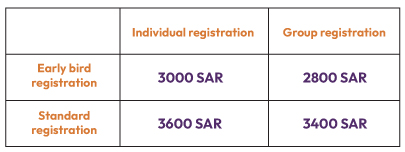
Registration process
- Submit the registration fee
- Payment link / Early bird -Individual registration
- For group registration please contact office
- Fill out the registration form.
- To confirm your registration, kindly send proof of payment via WhatsApp.
Date & Location
Block 2: 2-5 Jan, 2027
Registration Fee

Date & Location
Block 2: 17-20 Nov, 2026
Registration Fee
