
Bobath Concept course, designed specifically for physiotherapists and occupational therapists seeking to advance their skills in neurological rehabilitation. This course, aligned with the rigorous standards of the International Bobath Instructors Training Association (IBITA), offers an in-depth exploration of the Bobath Concept, a globally recognized and widely applied approach to treating adults with neurological conditions.

The Bobath Concept
The Assessment and Treatment of Adults with Neurological Conditions – Basic Course
Empowering Physiotherapists in Neurological Rehabilitation
What is the Bobath Concept?
The Bobath Concept is a holistic, problem-solving approach to the assessment and treatment of individuals with neurological conditions, such as stroke, traumatic brain injury, and other central nervous system disorders. It emphasizes individualized treatment based on a thorough understanding of movement, postural control, and sensory processing. The core principles involve facilitating more efficient and effective movement patterns, reducing compensatory strategies, and enhancing participation in daily activities.
Course Overview:
IBITA-certified Basic Bobath Course provides a robust foundation in the theoretical and practical application of the Bobath Concept. The curriculum is meticulously structured to ensure participants develop advanced clinical reasoning and hands-on facilitation skills.
Tutor

Kim Jennings
PT, OCS, Dip. MDT
Dr. Jennings is a physiotherapist with 38 years of experience. She is a senior Bobath instructor at the Australian Bobath Training Association (ABTA). She is also a holder of a master’s degree in physiotherapy from Monash University. In 2000, she qualified as a Bobath Tutor. She qualified as an IBITA Advanced Instructor in 2012 and initiated Advanced Bobath Tutor training in 2009.
Key Learning Areas:
Theoretical Components:
- Introduction to the Bobath Concept: A revised definition and historical context, including its evolution and current relevance.
- International Classification of Functioning, Disability and Health (ICF): Understanding the framework for patient assessment and goal setting.
- Model of Bobath Clinical Practice (MBCP): A detailed exploration of the clinical reasoning process within the Bobath framework.
- Applied Neurophysiology: In-depth study of neural organization, descending and ascending systems, neuromuscular plasticity, and movement dysfunction.
- Motor Control and Motor Learning: Principles guiding the acquisition and re-acquisition of motor skills in neurological populations.
- Postural Control and Locomotion: Advanced strategies for assessing and treating balance and gait impairments.
- Upper Limb Reach, Grasp, and Manipulation: Specialized techniques for improving upper extremity function.
Practical Components:
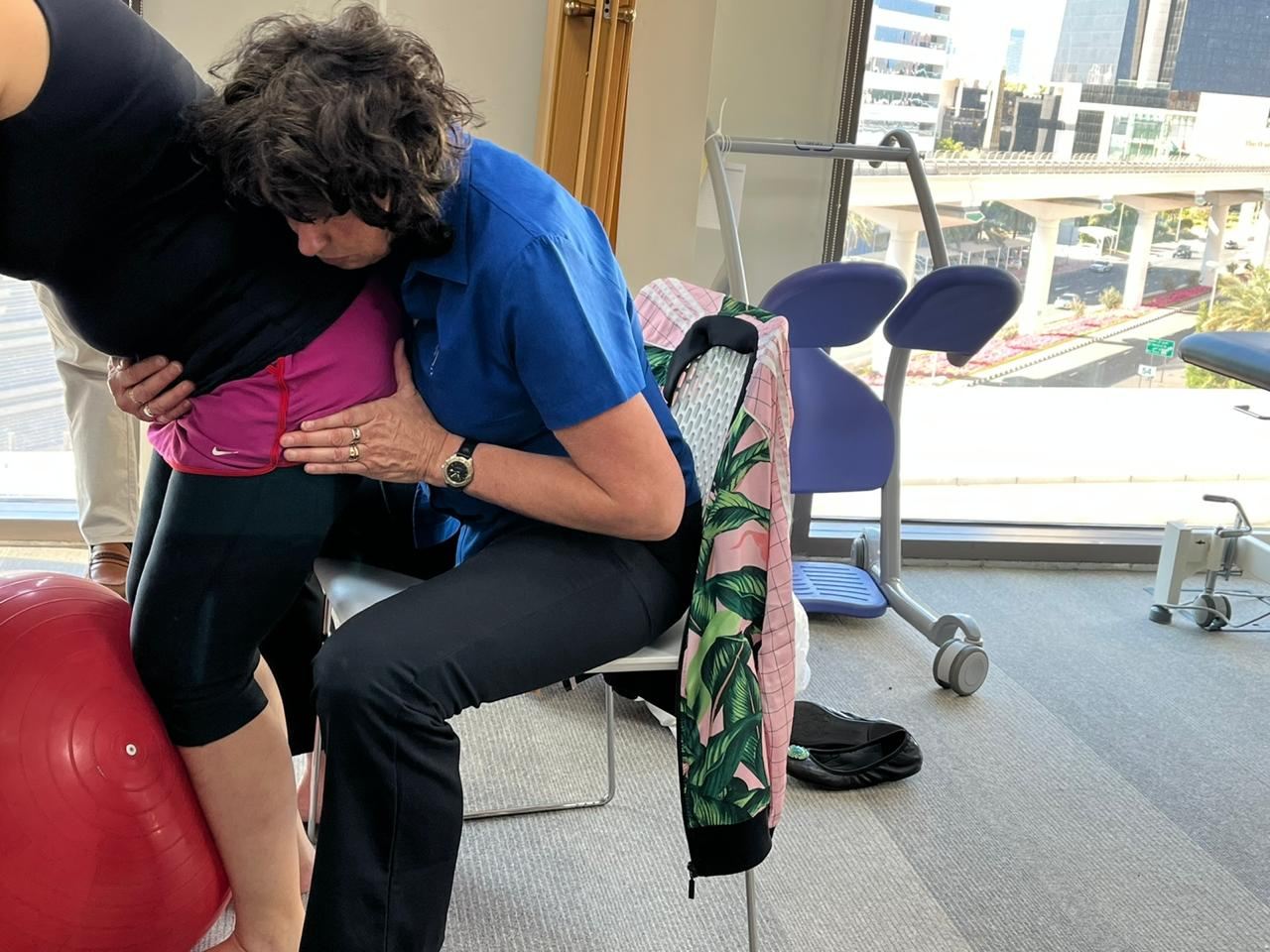
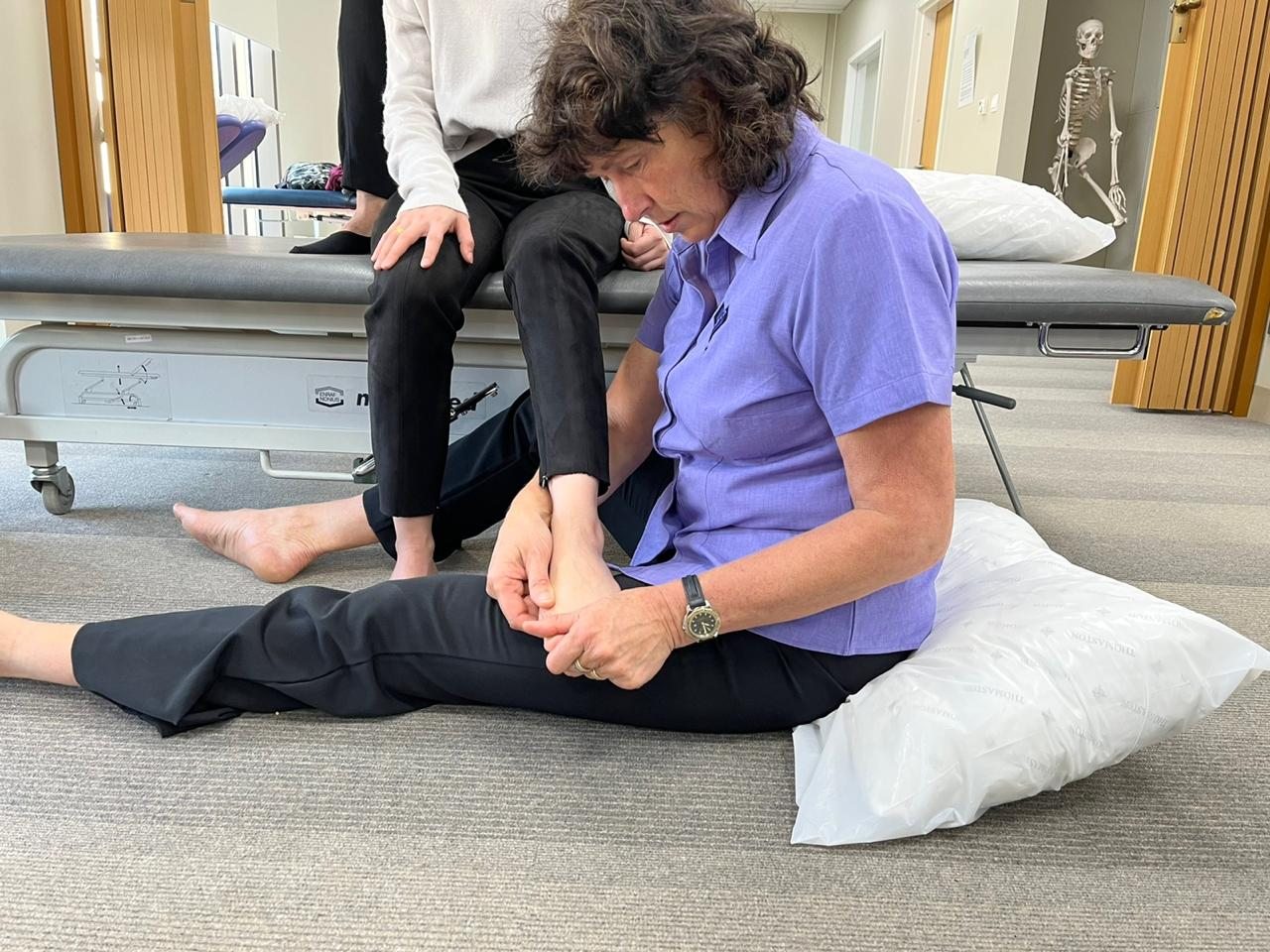
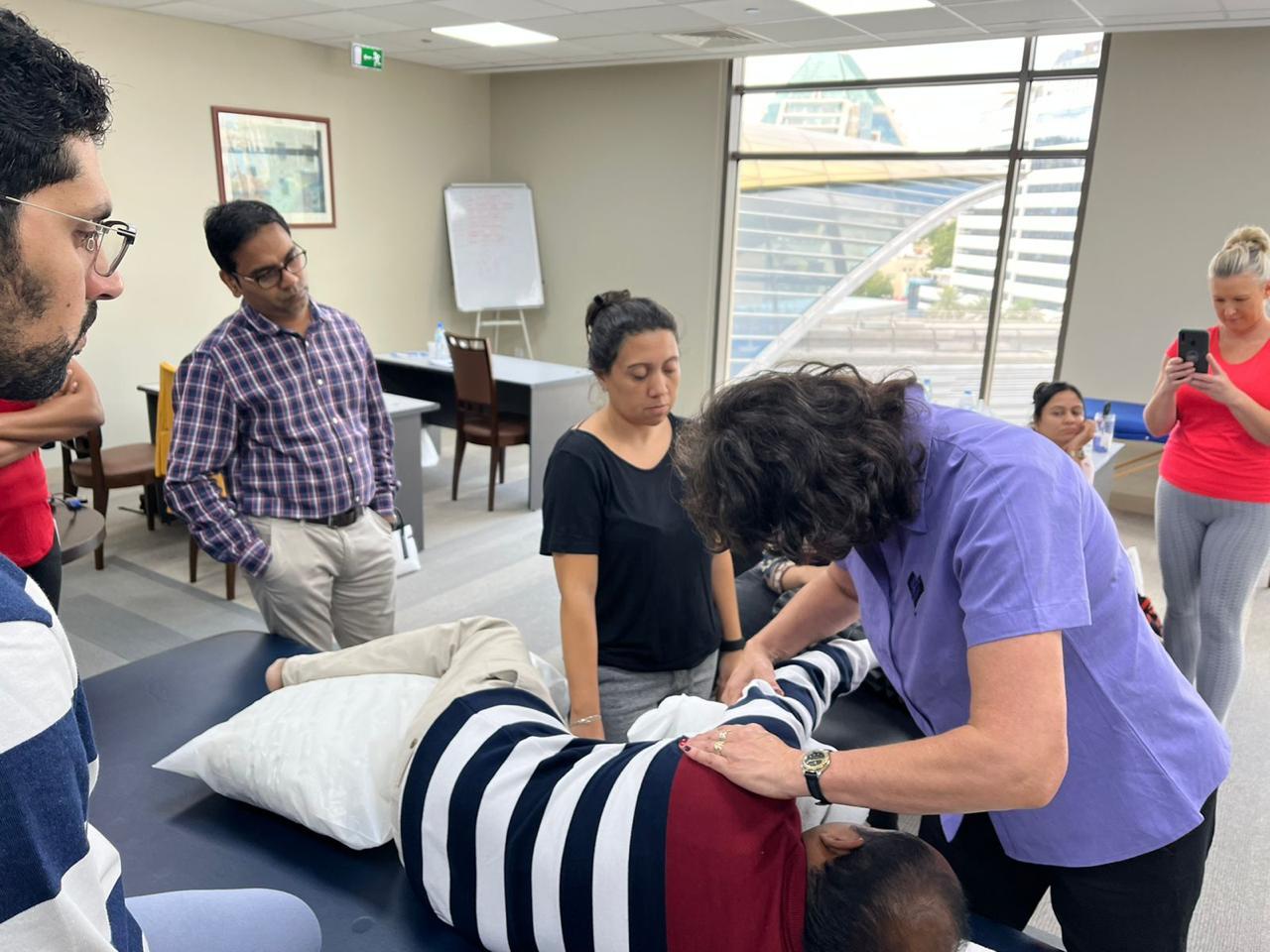
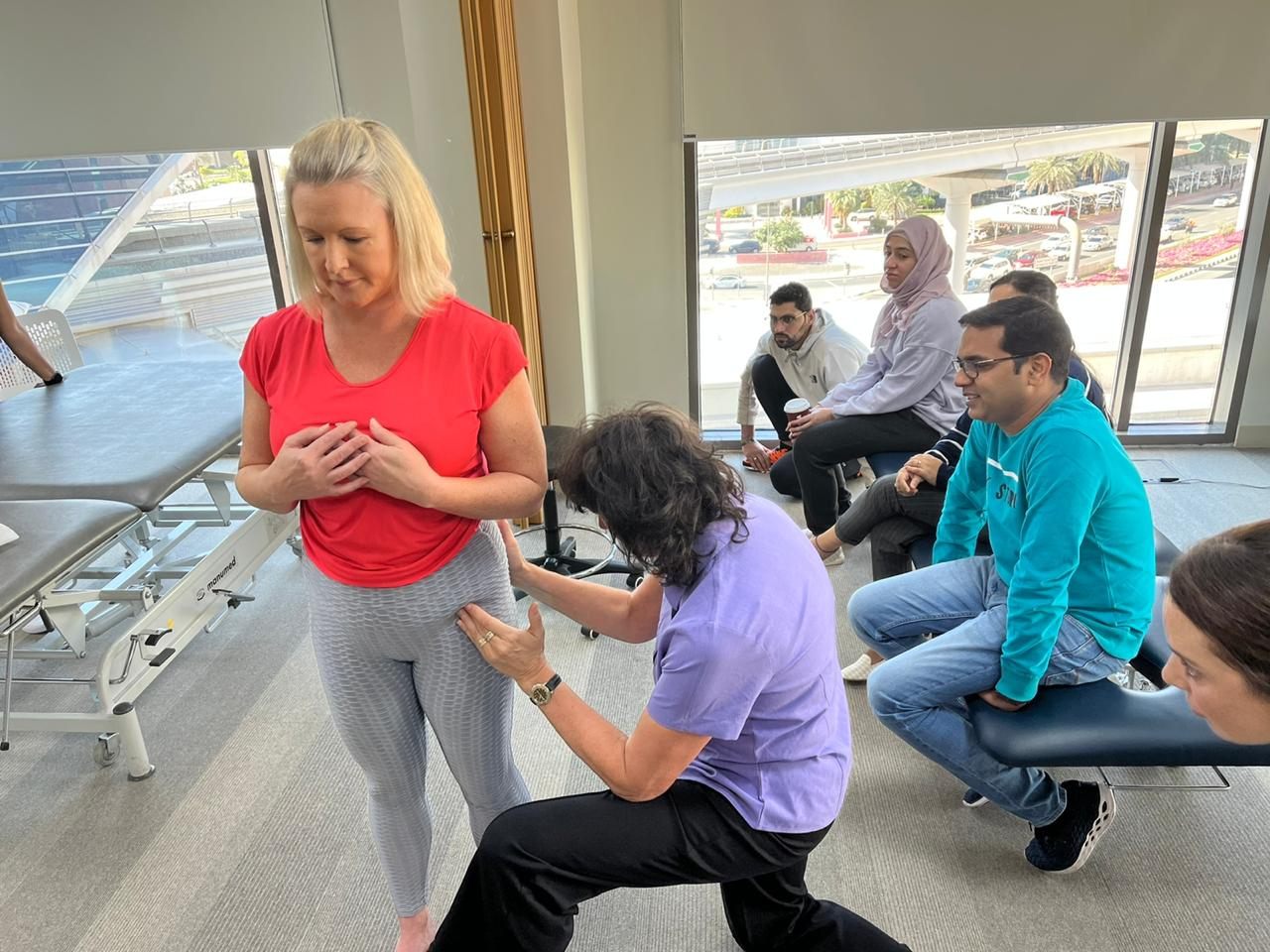
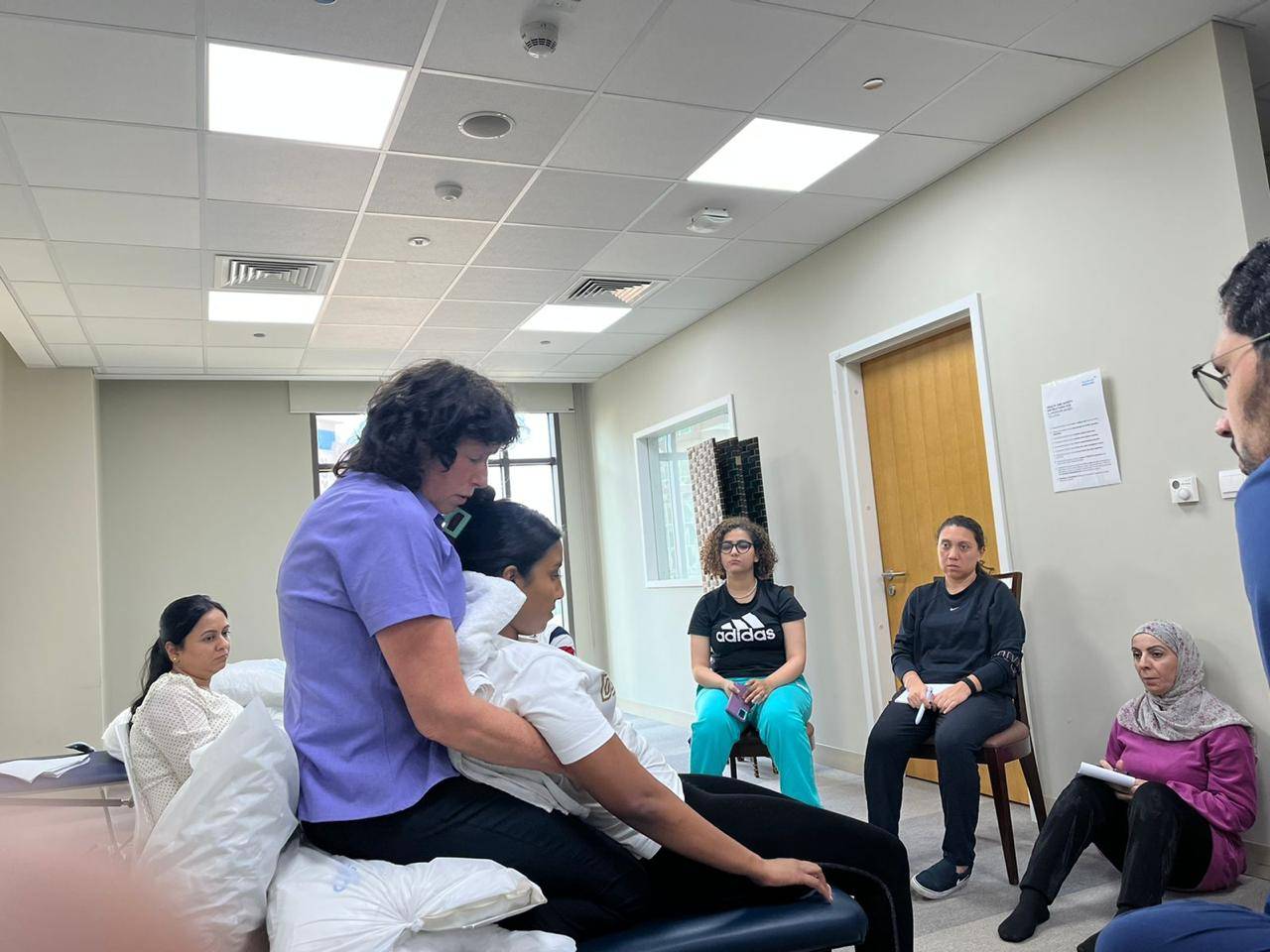
- Clinical Assessment and Treatment: Hands-on application of assessment tools and treatment techniques.
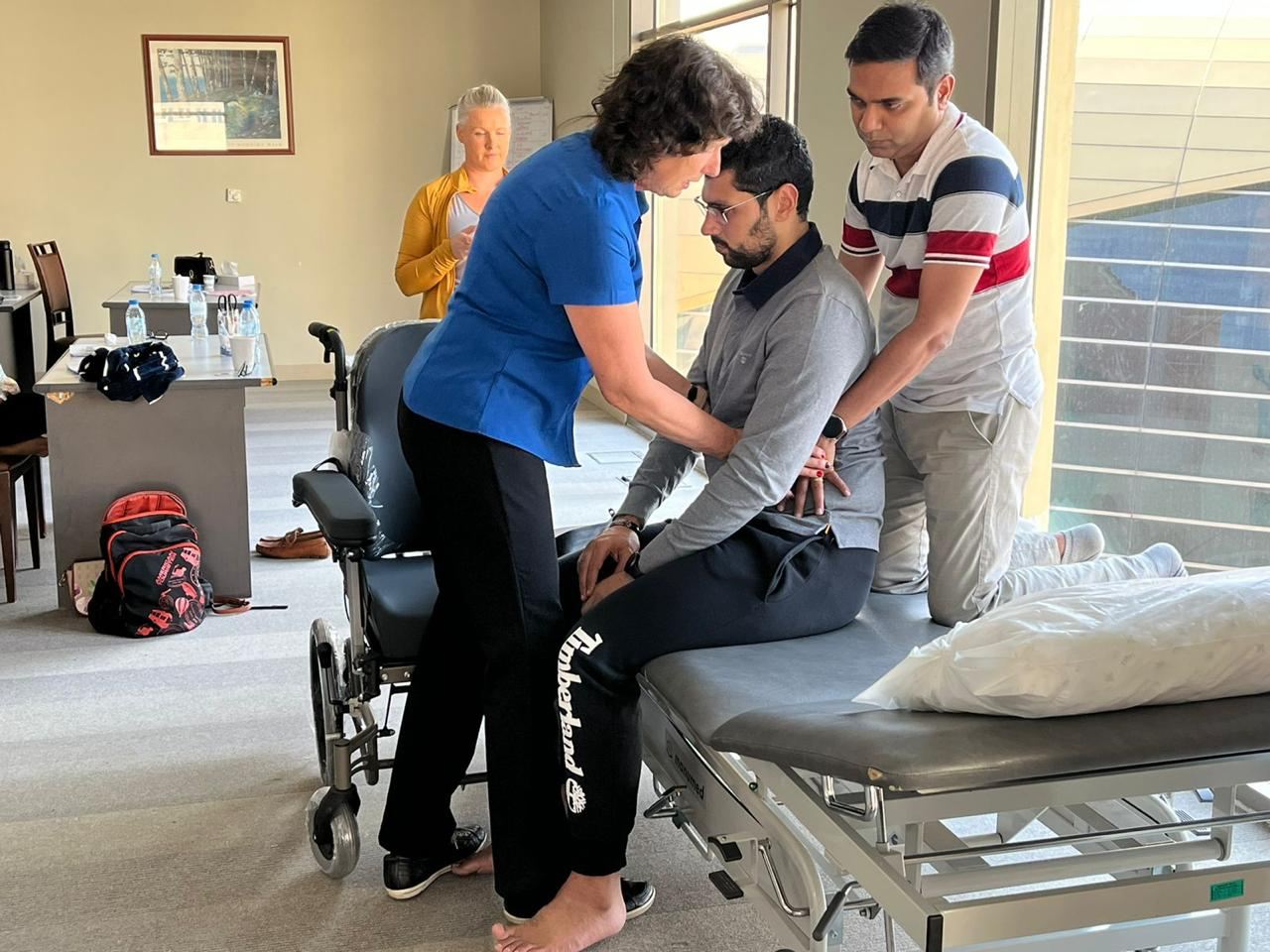
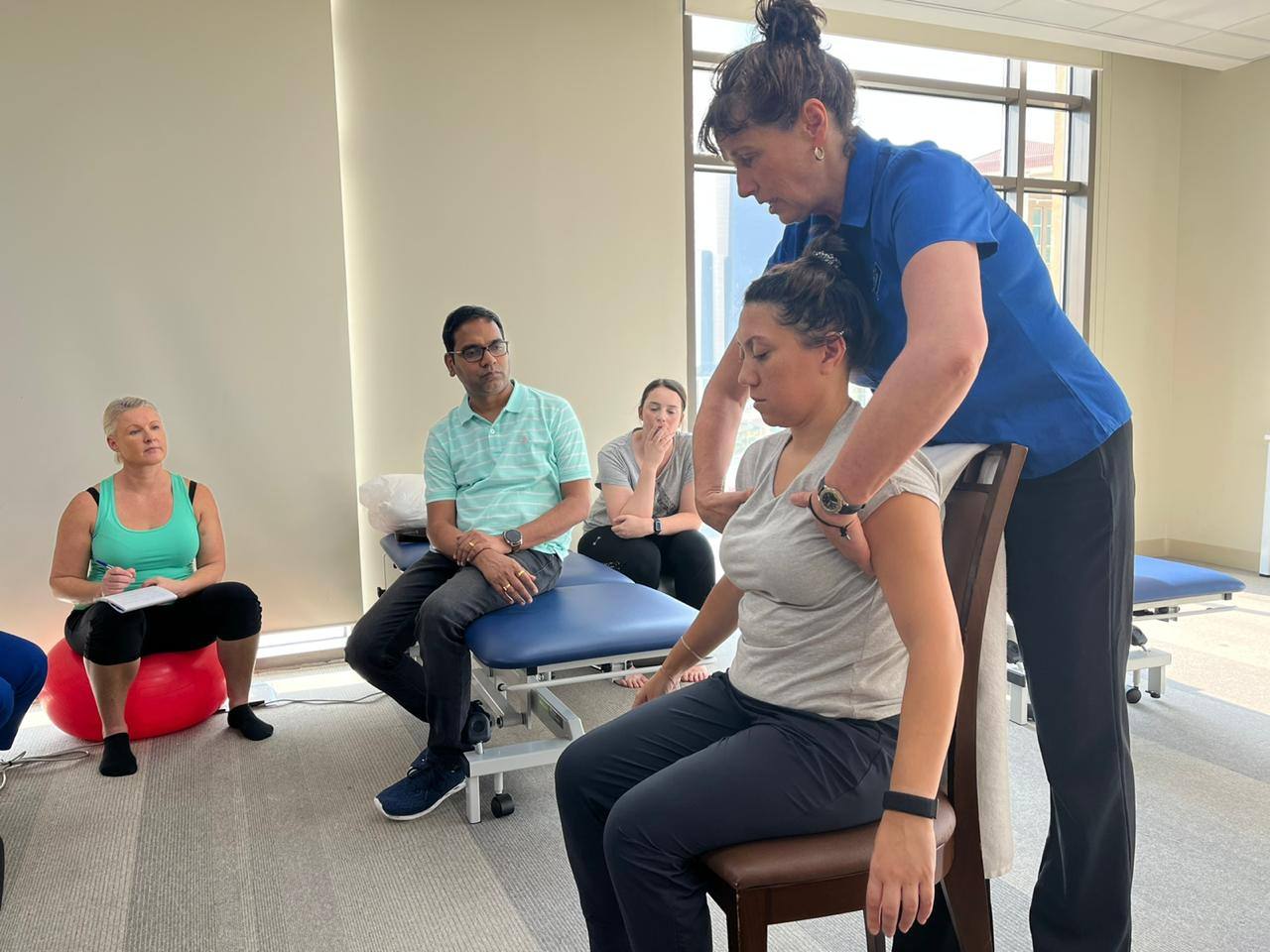
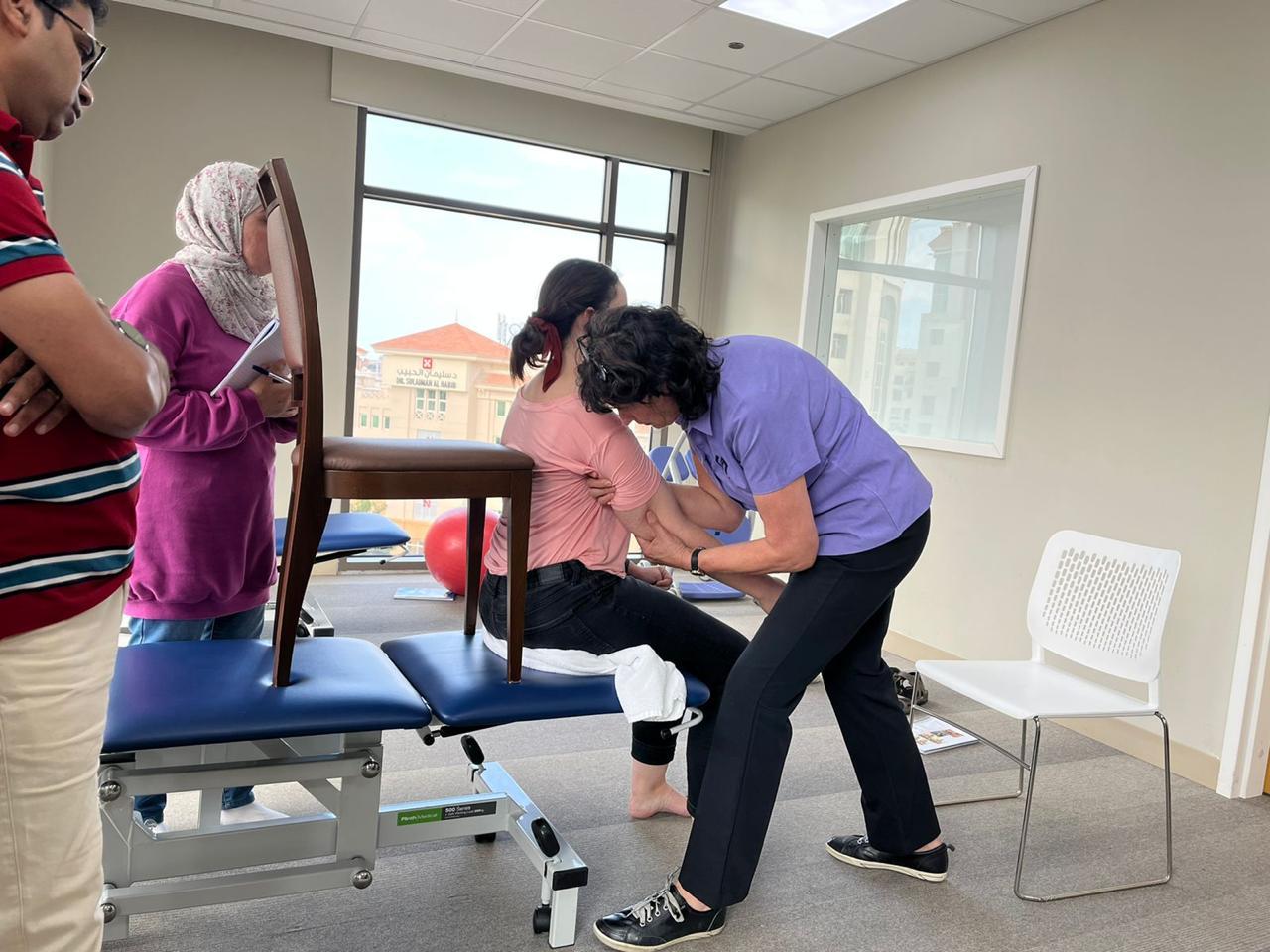
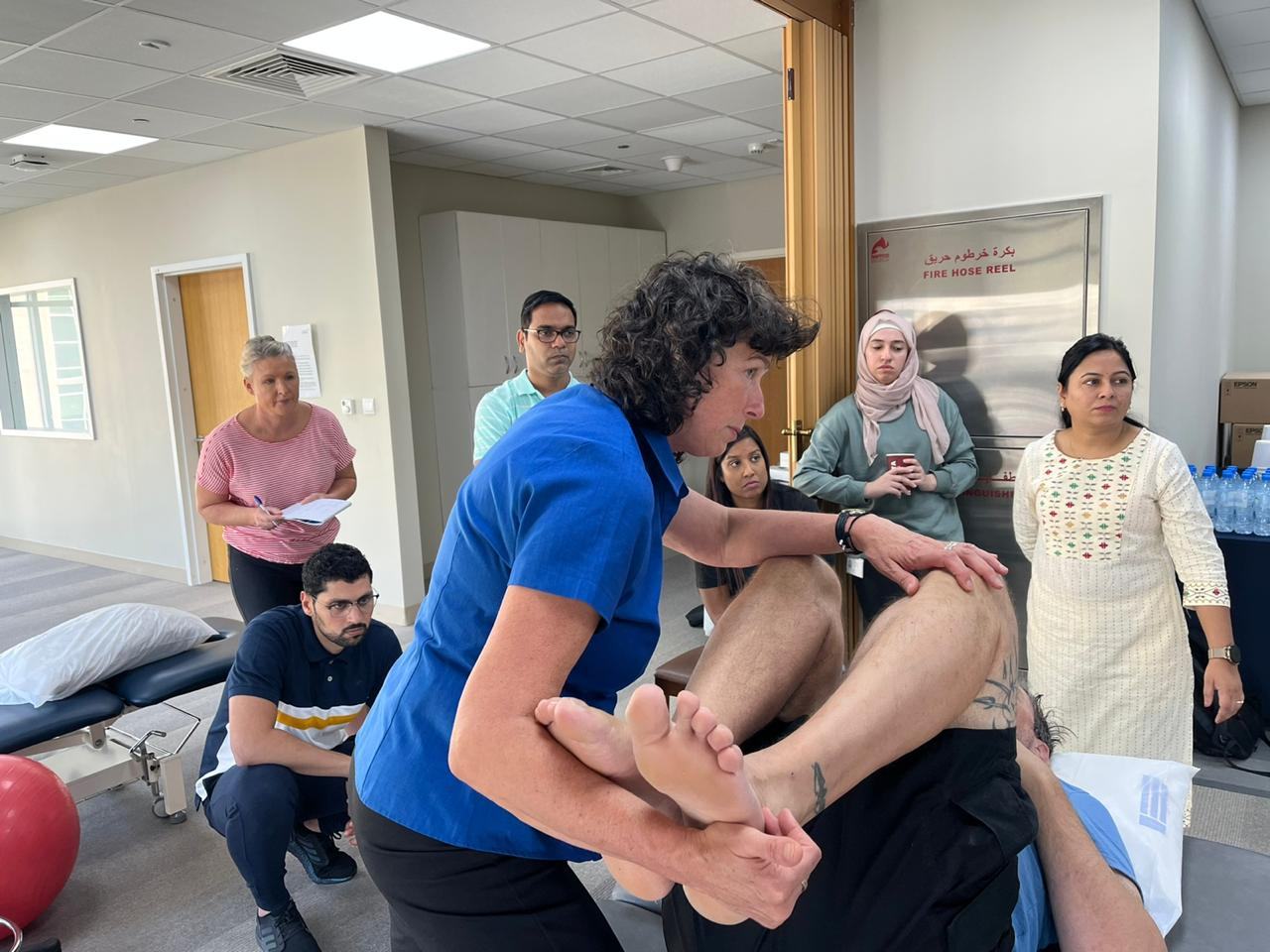
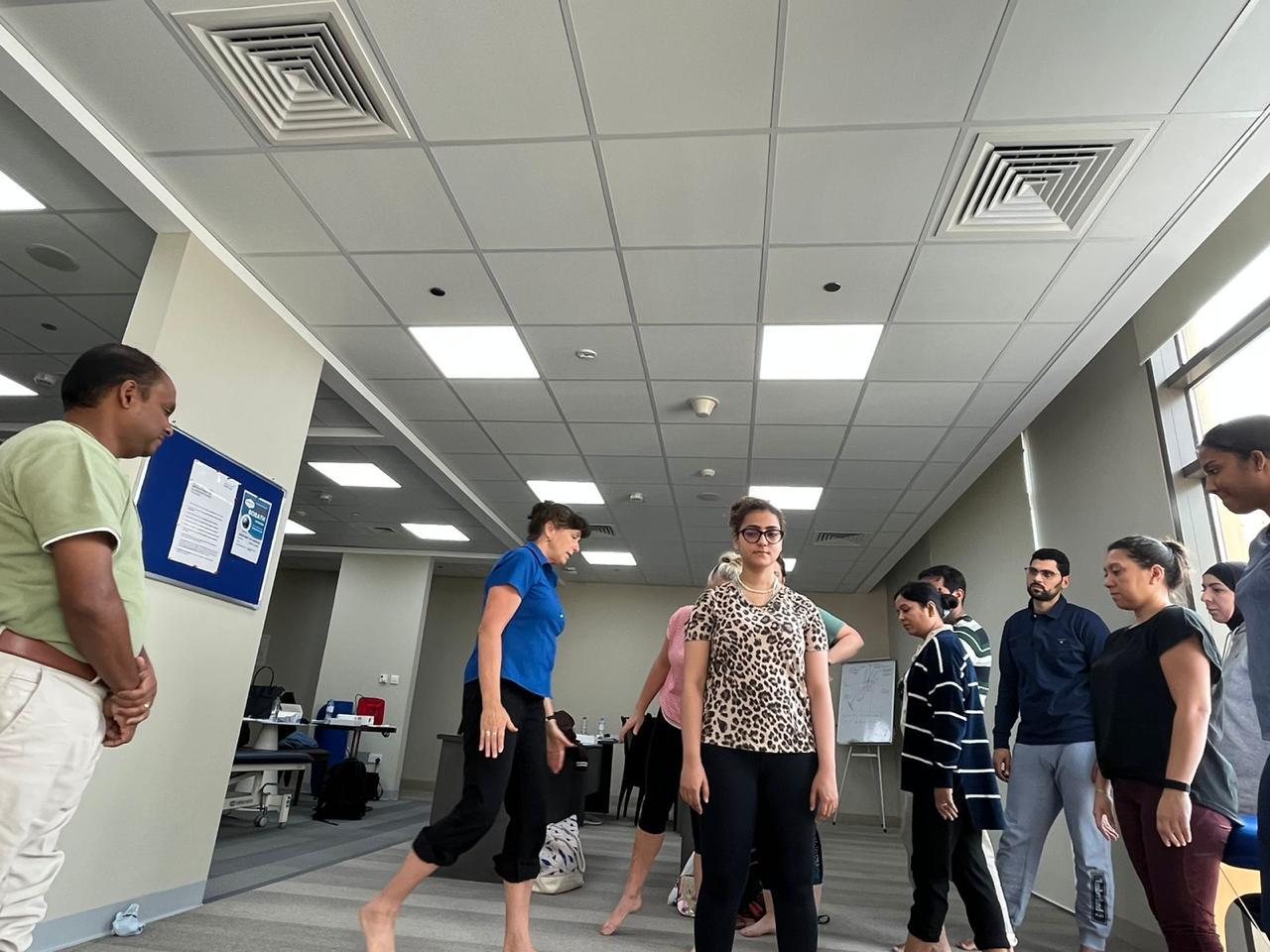
- Patient Demonstrations: Instructor-led demonstrations showcasing the application of the Bobath Concept in real-world scenarios.
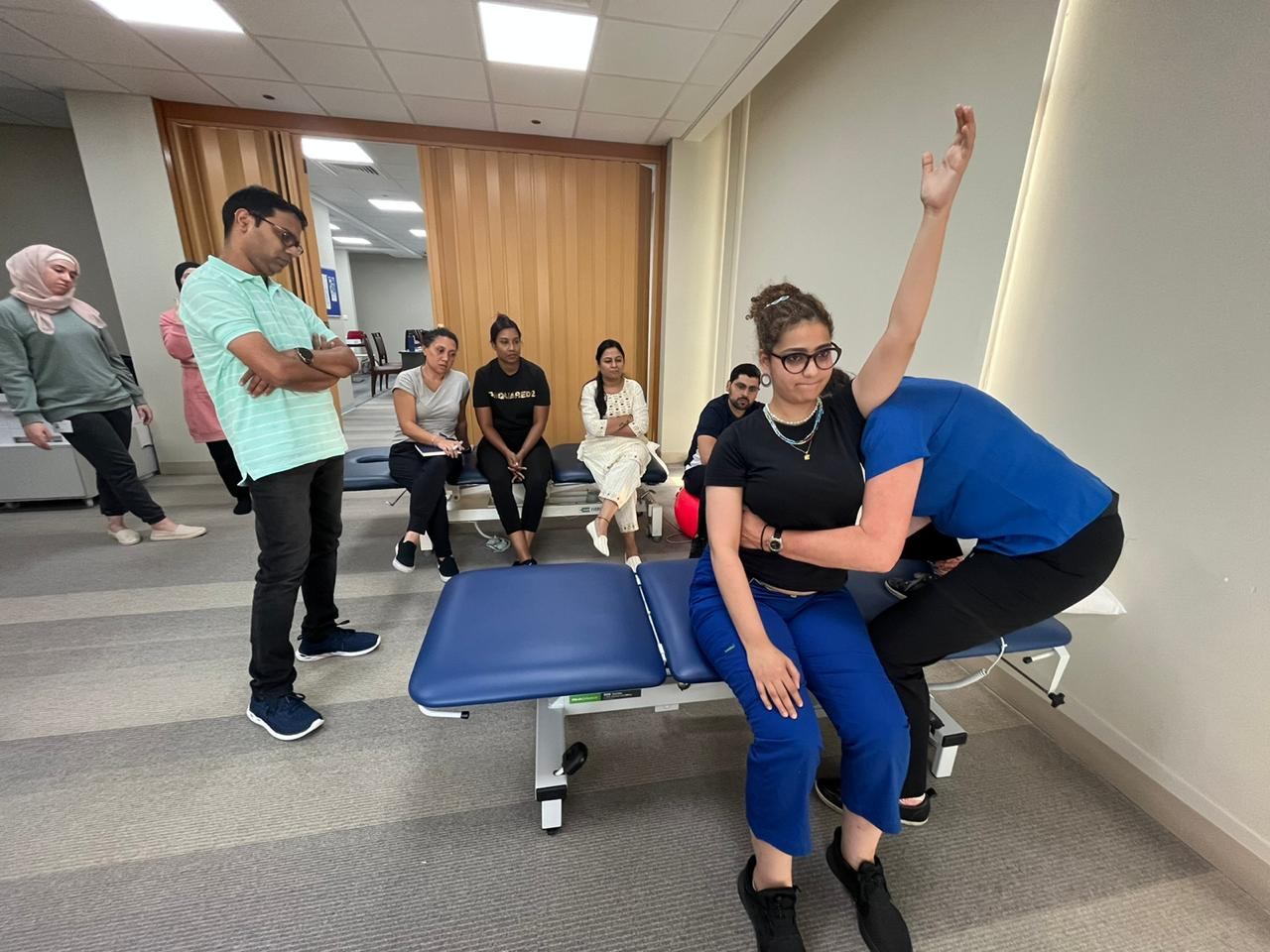
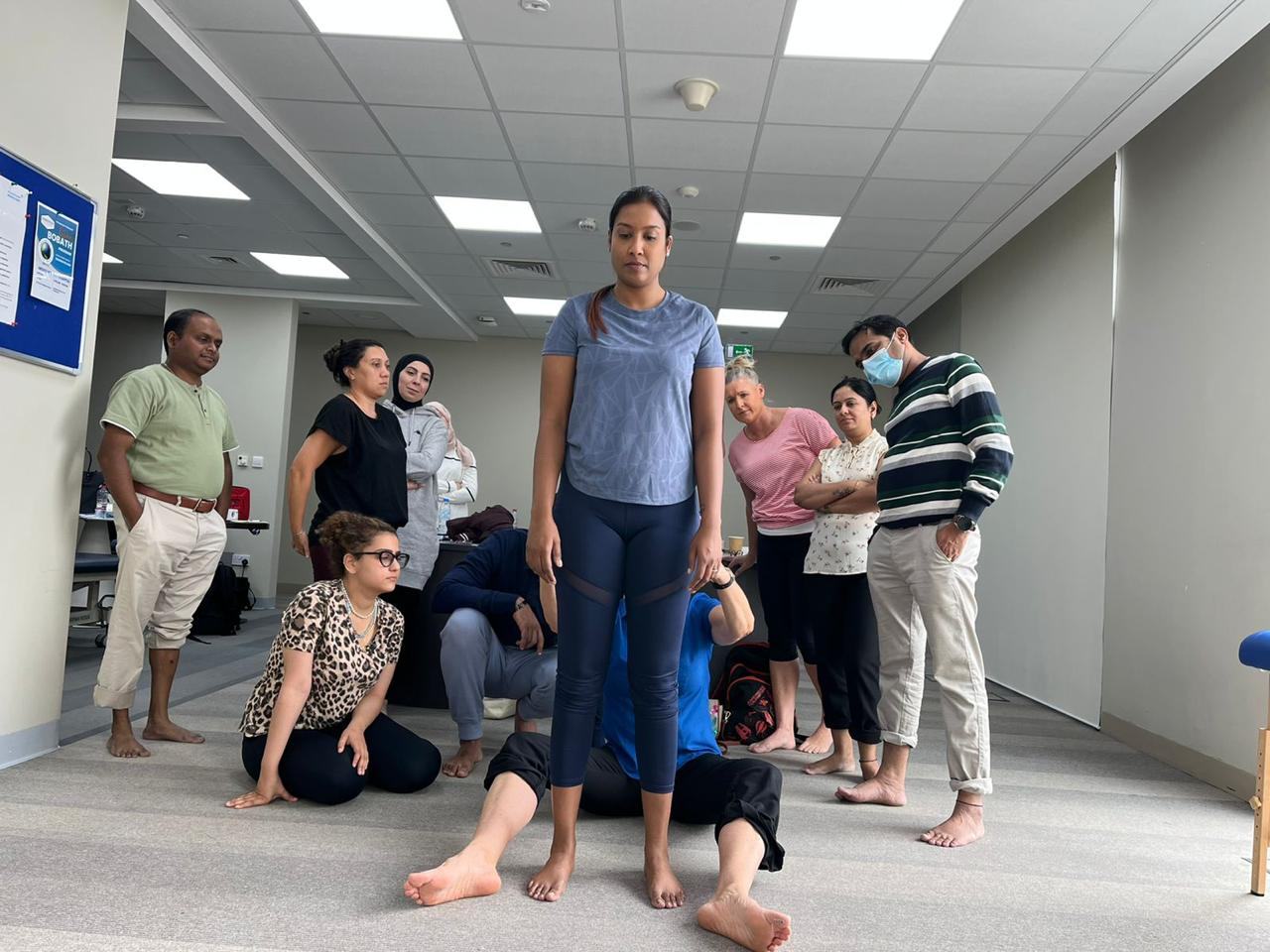
- Patient Workshops: Participant-led sessions providing opportunities for supervised practice and peer feedback.
- Supervised Patient Sessions: Direct application of learned techniques with patients under expert guidance.
- Movement Analysis and Facilitation: Developing keen observational skills and effective handling techniques to optimize movement.
Course Structure and Requirements
Duration
The course comprises a minimum of 110 teaching hours, typically delivered over an average of 7.5 hours per day.
Participant-to-Instructor Ratio
An optimal ratio of 1:10 (maximum 1:12) ensures personalized attention and effective learning.
Eligibility
Primarily designed for Physiotherapists and Occupational Therapists. Medical doctors eligible at the discretion of the course leader.
Certification
Upon successful completion, including attendance and submission of a written case report assignment, participants will receive an official IBITA certificate.

Frequently Asked Questions about the Bobath Concept
Who developed the Bobath Concept?
The Bobath Concept was developed by Berta Bobath, a physiotherapist, and her husband Karl Bobath, a psychiatrist/neuropsychiatrist. They initially proposed the approach for treating patients with Central Nervous System anomalies, particularly children with cerebral palsy.
What conditions can be treated with the Bobath Concept?
The Bobath Concept is applied to individuals of any age with damage to their Central Nervous System (CNS). This includes conditions such as stroke, traumatic brain injury, cerebral palsy, and other neurological disorders that result in movement, tone, and functional impairments.
What are the core principles of the Bobath Concept?
The Bobath Concept is based on the premise that normal postural reflex mechanisms are fundamental to motor skill performance. Key principles include facilitation (therapeutic handling, environmental modification, verbal cues), focusing on recovery potential and motor performance, and integrating postural control with task performance and selective movement control. It also emphasizes the vital role of sensory inputs in motor control and learning.
Is the Bobath Concept evidence-based?
Contemporary Bobath practice is continuously evolving and integrating new theories and evidence from movement sciences. While it is the most widely used approach in neurorehabilitation globally, research on its superiority over other treatment approaches is ongoing. Some studies indicate it is as effective as other physical therapies in improving functional ability, activity, and balance.
How does the Bobath Concept differ from other rehabilitation approaches?
One key difference is its applicability to individuals of any age and severity of CNS damage, unlike some other treatments (e.g., motor relearning or constraint-induced movement therapy) that may be more suitable for high-functioning individuals. It is also highly individualized and congruent with the International Classification of Functioning, Disability, and Health (ICF).
What is meant by "Bobath Trained Therapist"?
An “IBITA Recognized Bobath Trained Therapist” is a professional who has completed a Basic Bobath course and a minimum of two IBITA Advanced courses, with one advanced course completed within the previous five years. This designation signifies a high level of expertise and commitment to continuous professional development within the Bobath framework.
Riyadh – KSA
Block 1: 11–15 October 2026
Block 2: 18–22 October 2026
Block 3: 29 January 2027 – 3 February 2027
Registration & Payment Details
Registration Fees
Early Bird Registration: 3200 USD
Standard Registration: 3700 USD
Deposit: 1000 USD
Registration Process
Submit the registration fee
Deposit payment link
Full program payment link
Fill out the registration form
To confirm your registration, kindly send proof of payment via WhatsApp.
Cairo – Egypt
Block 1: 9- 13 August 2026
Block 2: 15-20 August 2026
Block 3: 25-29 October 2026
For fee and registration please contact Primephysio Egypt office