
The McKenzie Method® of Mechanical Diagnosis and Therapy® (MDT) is a biopsychosocial system of MSK assessment and care emphasizing patient empowerment and self-management. It is an evidence-based system that can be applied to acute, subacute and chronic conditions of the spine and the extremities.
The McKenzie Method®
of Mechanical Diagnosis and Therapy (MDT)

The McKenzie Method® – an overview
The unique combination of postural advice and the application of specific individualised exercises when delivered by an McKenzie trained clinician enable the majority of patients to effectively self-manage their condition. This process promotes patient empowerment, increases satisfaction with treatment and is cost-effective.
The McKenzie assessment enables clinicians to triage patients accurately and efficiently to the appropriate services required. It allows the early identification of red flags which may indicate the presence of Serious Pathology, where immediate referral onwards is necessary. Research has shown that a significant proportion of patients with non-serious spinal and extremity pain respond well to specific exercises and experience fewer symptoms when treated with exercises individualised to the patient.

Common Misconceptions of the McKenzie System
Isn’t the McKenzie System just a set of exercises?
The McKenzie System is a comprehensive assessment, classification, and clinical reasoning framework—not just exercises. It combines detailed history-taking, physical examination, and patient response to movement to determine a classification, which then guides individualized management while considering personal, cognitive, and environmental factors.
Isn’t McKenzie only about spinal extension?
Treatment is based on a patient’s Directional Preference, identified through repeated movements and sustained positions. While extension is common, it is not universal, and McKenzie clinicians assess movement in all planes across multiple classifications—not just Derangement.
Is McKenzie only about finding Directional Preference?
Directional Preference applies only to Derangement Syndrome. The McKenzie System includes 16 distinct classifications, such as Stenosis, Trauma, and Chronic Pain Syndrome, all of which guide appropriate management or referral.
Does McKenzie address biopsychosocial factors?
Yes. The McKenzie System actively considers cognitive, emotional, and contextual influences on pain. Its emphasis on education, active care, and self-management makes it a strong biopsychosocial approach, with research showing improvements in fear-avoidance, self-efficacy, and psychological distress.
Is McKenzie just about the intervertebral disc?
No. While early models focused on discs, Derangement occurs in all joints. The system does not rely on patho-anatomical diagnosis but on a validated classification system to guide care.
Does McKenzie use manual therapy?
Yes, when needed. Although it prioritizes education and self-management, mobilisation and manipulation are used as part of a force progression to support effective self-treatment.
Can McKenzie be used for extremity problems?
Absolutely. The full assessment and classification system is successfully applied to extremity musculoskeletal conditions, with growing research supporting its effectiveness.
Educational pathway
Part A – Introduction to MDT and the Lumbar Spine
This 28-hour introductory course provides a solid foundation in the McKenzie Method of Mechanical Diagnosis and Therapy (MDT) for the assessment and management of low back pain and related leg symptoms. As the first step in the MDT education pathway, the course focuses on accurate assessment, classification, and evidence-based management within a biopsychosocial model of care.
Participants will gain a clear understanding of MDT classifications, patient education, self-management strategies, and the appropriate use of clinician-applied techniques following MDT’s progression of forces.

By the end of the course, participants will be able to
- Apply MDT principles to lumbar spine conditions
- Identify MDT classifications and select appropriate management strategies
- Recognize key contributors to pain and disability
- Guide patients toward effective self-management and functional recovery
Course includes
- Illustrated course manual
- Full reference list
- Access to MDT procedure videos (MII website)
- Optional post-course self-assessment quiz
Part B – Cervical & Thoracic Spine
This 28-hour course focuses on applying MDT principles to the cervical and thoracic spine, addressing neck pain, upper back pain, and related arm symptoms. The course builds on MDT concepts to support accurate assessment, classification, and effective management within a biopsychosocial framework.
Delivery may be partly online with in-person training or fully onsite, depending on the region. The program emphasizes hands-on practice through lectures, workshops, discussions, role play, and live patient assessments.
Participants will develop confidence in MDT classifications, patient education, self-treatment strategies, and the clinical application of forces as demonstrated within MDT protocols.
Course includes
- Illustrated course manual
- Full reference list
- Access to MDT procedure videos (MII website)
- Optional post-course self-assessment quiz
Part C – Advanced Lumbar Spine and Extremities – Lower Limb
This 28-hour course focuses on advanced McKenzie MDT principles and practical application for the lumbar spine and provides an introduction to the MDT classification and management of lower limb extremity conditions. It reviews and advances the theory and practical application of MDT in relation to the lumbar spine and lower extremities.
Course includes
- Apply advanced MDT principles to lumbar spine conditions.
- Identify and manage lower limb extremity conditions using the MDT classification system.
- Distinguish between the MDT syndromes (Derangement, Dysfunction, Postural) and Other categories in the lower limb
- Refine clinical reasoning and the application of clinician-applied forces.
Part D – Advanced Cervical & Thoracic Spine and Extremities – Upper Limb
This 28-hour course focuses on advanced McKenzie MDT principles and practical application for the cervical and thoracic spine and provides an introduction to the MDT classification and management of upper limb extremity conditions. The program emphasizes hands-on practice through lectures, workshops, discussions, and live patient assessments.
Course includes
- Apply advanced MDT principles to cervical and thoracic spine conditions.
- Identify and manage upper limb extremity conditions using the MDT classification system.
- Recognize appropriate vs. inappropriate changes and progress forces accordingly.
- Indications for the use of advanced manual therapy techniques.
Globally recognised as a leading treatment for back, neck and extremities disorders.


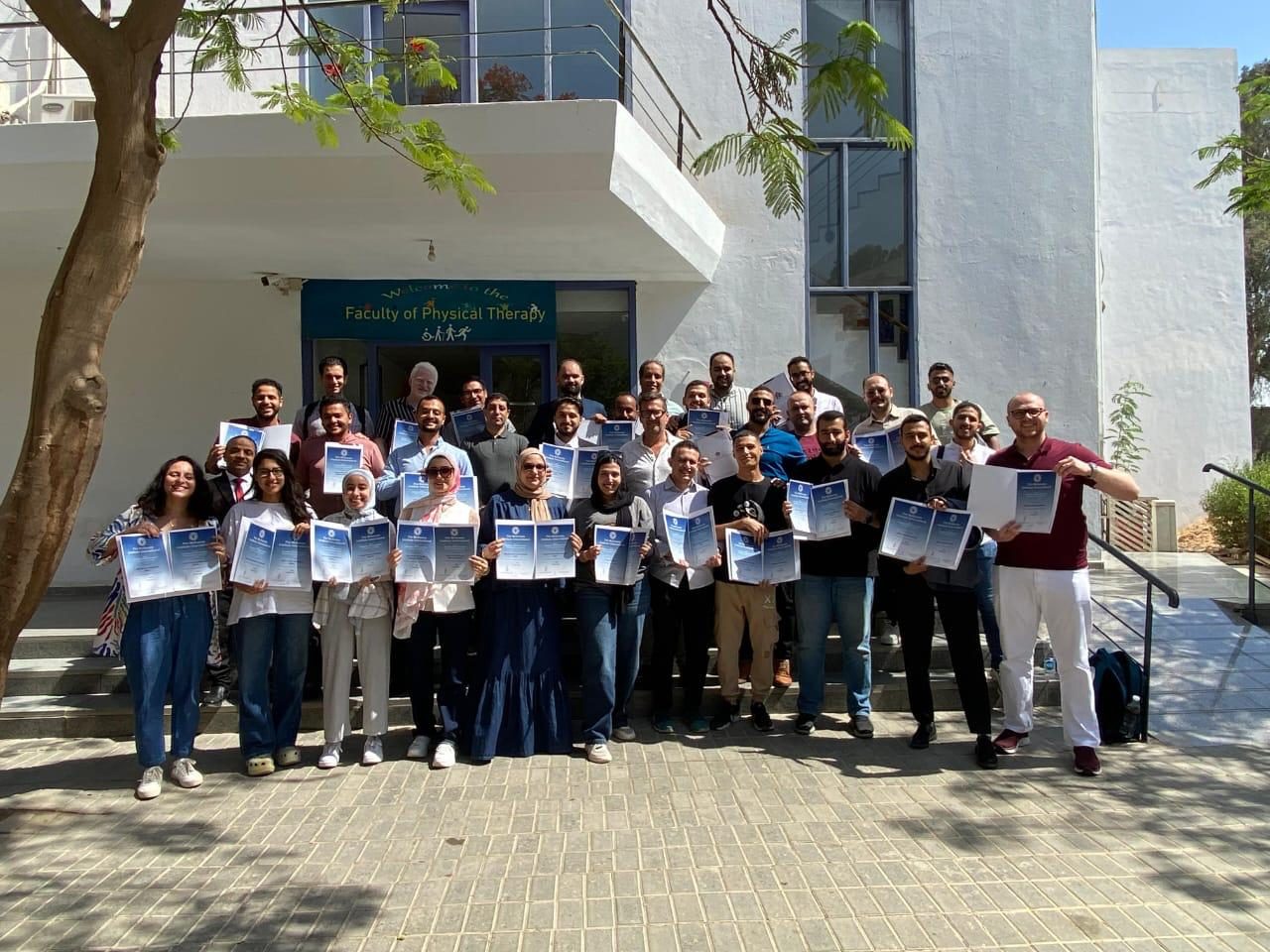
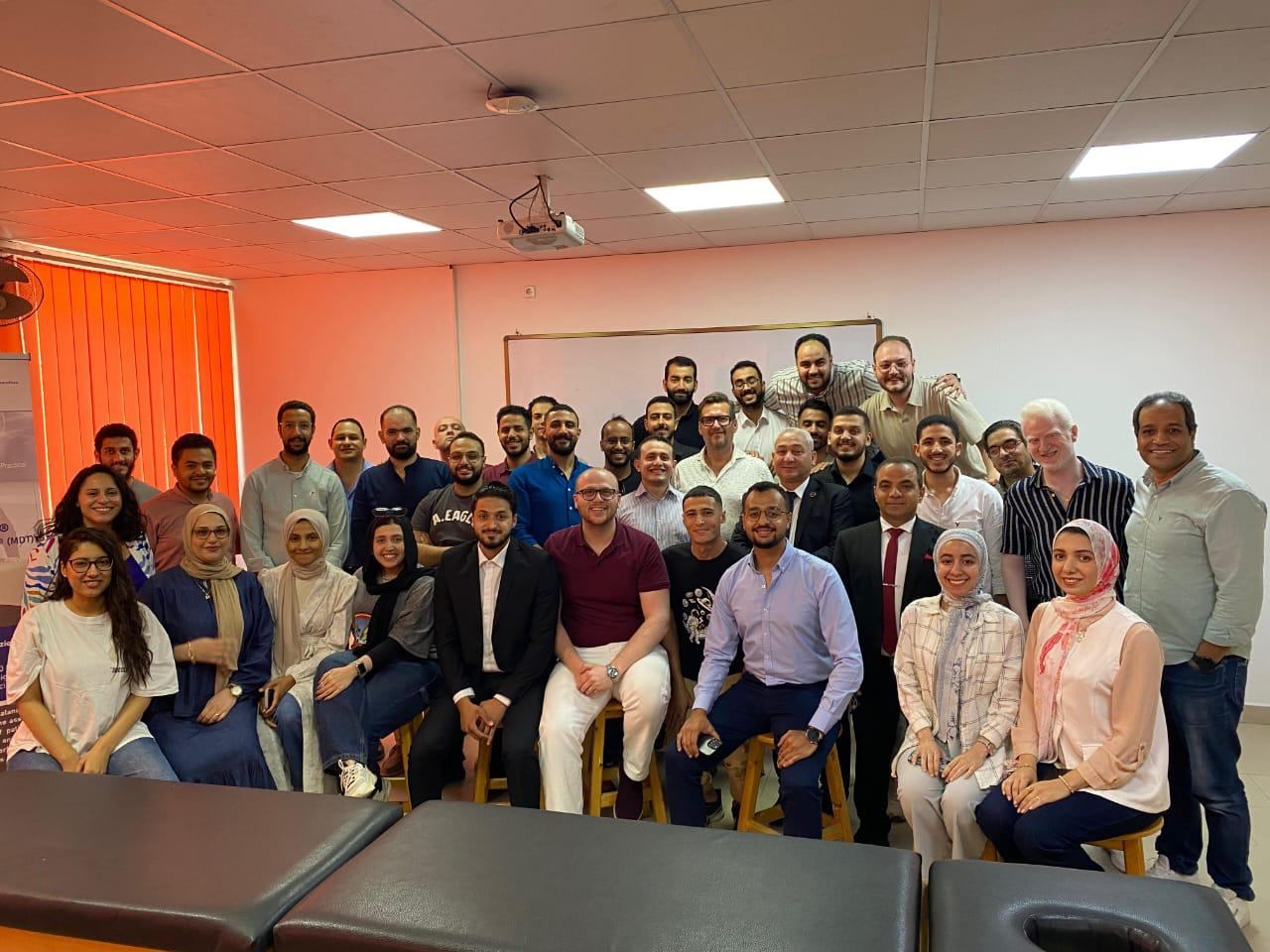
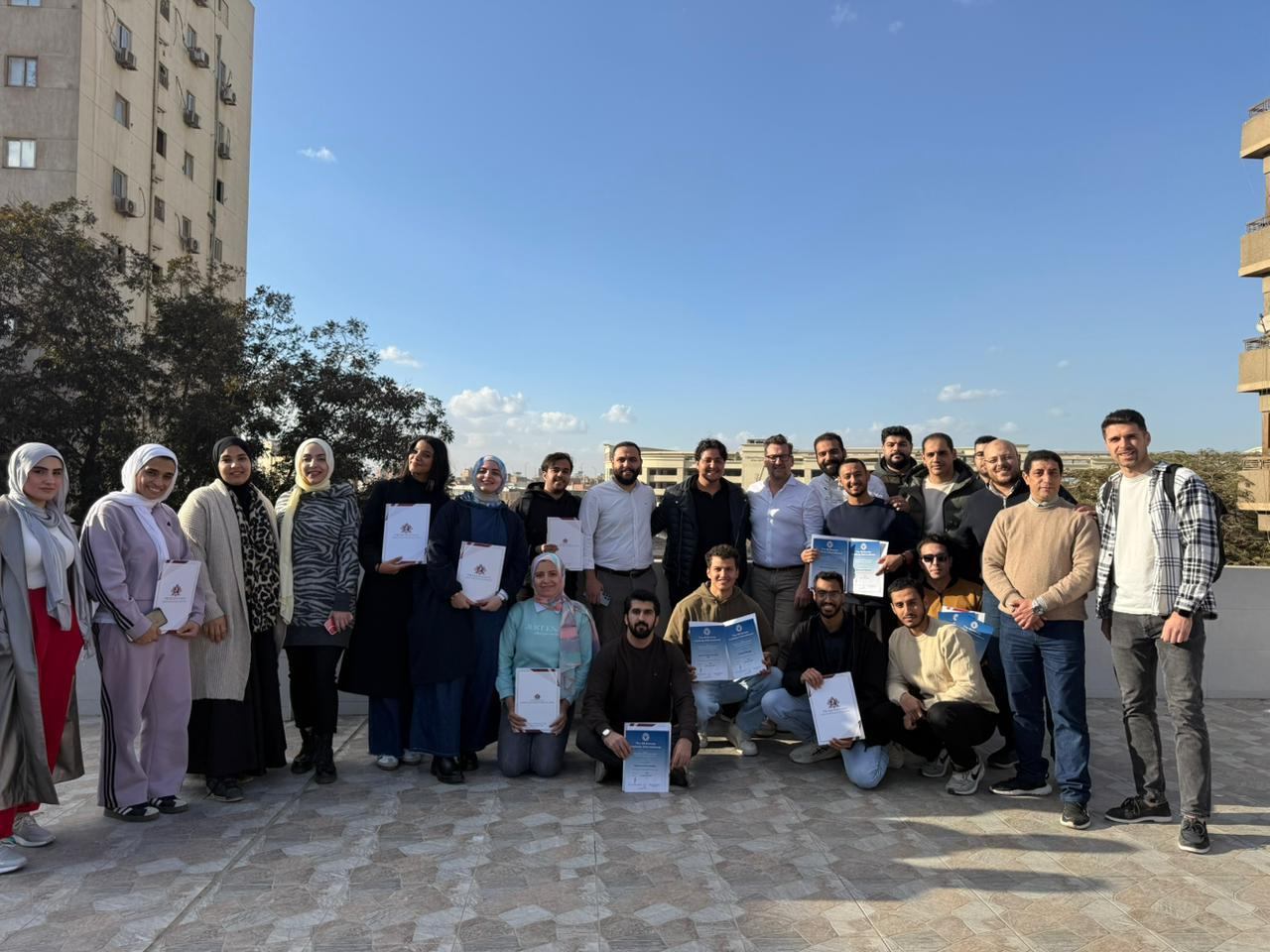
The Benefits of The McKenzie System
Reliable Assessment
To be effective, any treatment system must be based upon a sound assessment and an accurate diagnosis or classification.
Scientific research supports the reliability of the McKenzie system and a higher level of training can assist to further improve this Numerous studies provide data on the prevalence rates, demonstrate the comprehensiveness of the system6-8 and the validity of the diagnostic process.
Early prognosis
Patients seek information on their estimated prognosis
The McKenzie evaluation process makes it possible to predict patient prognosis mostly within 1-2 consultations
Focus on Self-Management
The emphasis on self-management empowers the patient and helps foster a strong sense of independence. Research demonstrates that patients who are empowered through participation in their own care acquire the skills, knowledge and confidence that result in beneficial outcomes Further research has shown that management with a patient specific exercise program based on a classification system monitoring symptomatic and mechanical responses achieves better outcomes than non-specific exercise therapy
Better Outcomes
The McKenzie evaluation allows a quick determination of who will benefit from management according to the McKenzie principles
Using the McKenzie System has been shown to be able to:
- reduce surgery rates
- avoid surgical interventions
- lead to better outcomes than therapy that is focused on spinal manipulation26 or general exercise
- be cost effective
Upcoming International intake
Tutor
David Oliver
PT, OCS, Dip. MDT
- David Oliver, PT, OCS, Dip. MDT graduated from the University of Bradford in the United Kingdom as a Physiotherapist in 1993. He began his career at the University of Birmingham NHS Trust, where he worked for three years before emigrating to the United States. Since then, he has lived and worked in Ann Arbor, Michigan, for the past 25 years, directing private outpatient clinics and working in hospital-based settings.
- In 2005, Dave joined The McKenzie Institute. He became an Instructor for the U.S. Branch in 2008. Over the years, he has taught more than 200 classes across the United States, Canada, and within the Chiropractic Division of the Institute, covering all components of the McKenzie educational program. He currently serves as a Senior Instructor for the U.S. Branch and an International Instructor for the McKenzie Institute International.
- In 2018, Dave earned his Orthopedic Clinical Specialist (OCS) certification through the American Physical Therapy Association. He currently practices at the University of Michigan Spine Center, continuing his commitment to advanced clinical practice and education and has been a member of the APTA since 2004.

Jeddah
Part A: 24-26 Jan, 2027
Part B: 28-30 Jan, 2027
Part C: 11-13 Apr, 2027
Part D: 15-17 Apr, 2027
Part B: 28-30 Jan, 2027
Part C: 11-13 Apr, 2027
Part D: 15-17 Apr, 2027

Registration Process
- Submit the registration fee
- Part A&B Payment Link
- Full Program – Deposit Payment Link
- For group registration, contact office.
- Fill out this registration form.
- To confirm your registration, kindly send proof of payment via WhatsApp.
Date & Location
Karachi
Part A: 14-16 Jan, 2027
Part B: 18-20 Jan, 2027
Part B: 18-20 Jan, 2027
Tutor
Hans van Helvoirt
Senior Instructor | PT, Dip. MDT
Hans van Helvoirt is a physiotherapist who graduated in 1986 from the international academy ‘Thim van der Laan’ in Utrecht. He obtained his manual therapy license in the ‘Maitland Concept’ in 1990 and completed his studies in Mechanical Diagnosis and Therapy (MDT) McKenzie in 1992 in Wellington, New Zealand.
In addition to other specialized courses (Butler, Mulligan, Elvey, Comerford, O’Sullivan), he earned a Master of Arts in Psychology from the University Benelux in Antwerp and completed various coaching programs, including provocative coaching, ‘inspiring coaching,’ and ‘motivational interviewing.’
Since 1993, Hans has been teaching McKenzie courses in the Benelux, Europe, Russia, Canada, Iran, and Brazil, and he has spoken at various international conferences on MDT and its role within the biopsychosocial context.
Within the McKenzie Institute International, he serves on the Faculty Council, the Public Health Committee, and has co-organized several international MDT conferences.
Hans works as a consultant at Rugpoli Brabant in Tilburg, a center for manual medicine and anesthesiology. He is also engaged in scientific research in collaboration with VU Amsterdam, focusing on the interaction between MDT and anesthesiology.

Cairo
Part A: 4-6 Jan 2027
Part B: 8-10 Jan 2027
Part B: 8-10 Jan 2027
Registration Fee (Part A & B)
